At the beginning of each Pokemon game, the player gets to choose one of the three starting Pokemon: Bulbasaur, Charmander and Squirtle. The game’s makers designed these three sets of starters to be equally appealing, all ending in a satisfyingly impressive evolutionary conclusion. I did my best to parallel this dynamic with three groups of intriguing birds.
I’ve equated the Bulbasaur family tree with woodpeckers, a relatively common yet still exciting group of forest dwellers. The Downy Woodpecker is a familiar sight in American backyards, equally at home in trees or visiting bird feeders. The Acorn Woodpecker is a clown-faced loudmouth of Pacific oak forests, with fascinatingly complex social groups that work together to store thousands of acorns for winter. Finally, the crow-sized Pileated Woodpecker is one of the largest forest birds on the continent.

Bulbasaur 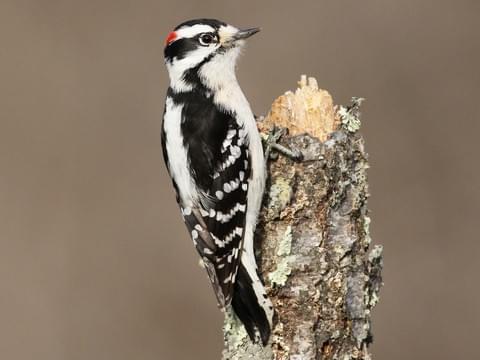
Downy Woodpecker 
Ivysaur 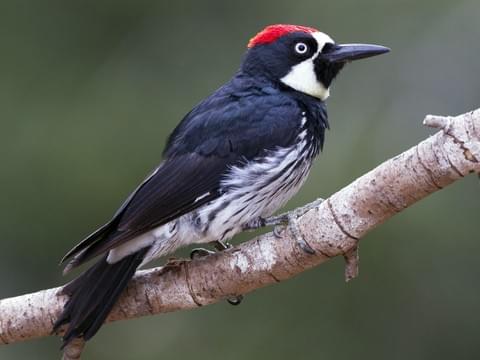
Acorn Woodpecker 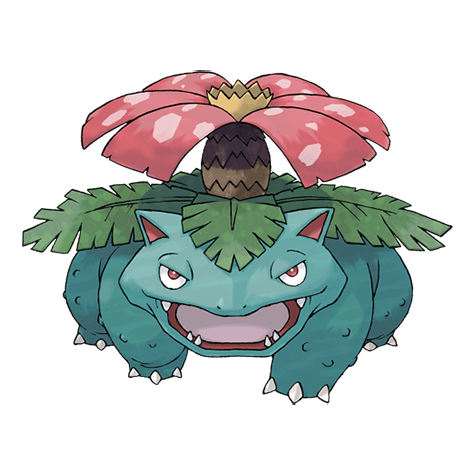
Venusaur 
Pileated Woodpecker
The dapper American Kestrel, North America’s smallest falcon, can be found in California fields and meadows year-round. Meanwhile its larger cousin the Merlin is only a winter visitor to the western half of the country. The Peregrine Falcon, this author’s favorite bird, is the fastest animal in the world, achieving speeds of up to 200 miles per hour when dive bombing prey.

Charmander 
American Kestrel 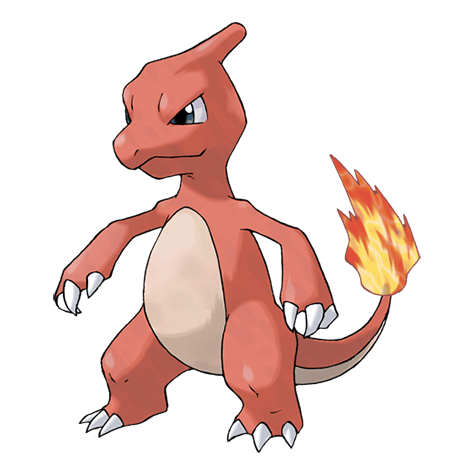
Charmeleon 
Merlin 
Charizard 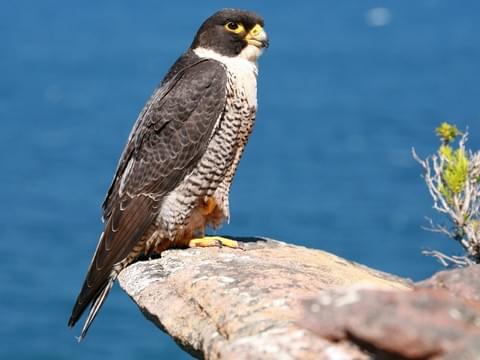
Peregrine Falcon
Apparently, owling was “a common term used to describe the smuggling of sheep from England to another country,” when the practice was illegal in the middle of the last millennium. These days, it refers to birdwatchers who go out at night (or dawn or dusk) in the pursuit of owls, our favorite nocturnal raptors. Despite its name, the compact Western Screech-Owl doesn’t really screech, but rather gives off a “bouncing ball” song of 5-9 quick hoots. The unmistakable Barn Owl, with its satellite dish face, doesn’t hoot at all. Instead, it uses a loud harsh scream to communicate with the world. The stereotypical hoot most associated with owls comes from the quintessential owl, the Great Horned Owl. This predator is found throughout the entirety of North America.

Squirtle 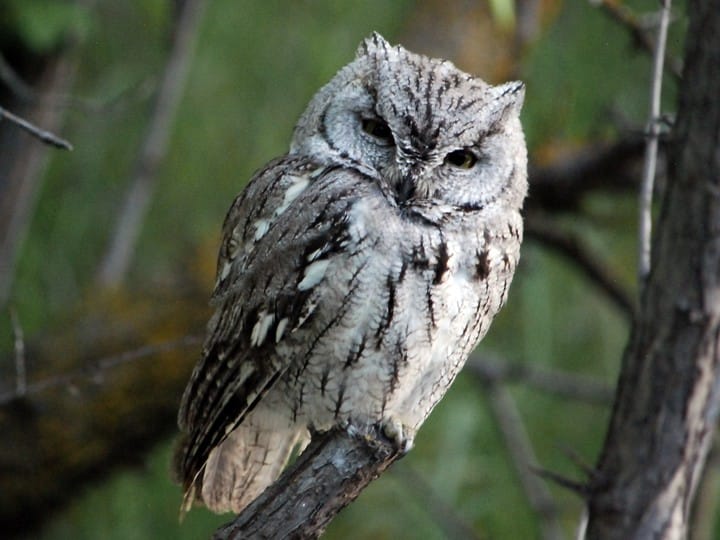
Western Screech-Owl 
Wartortle 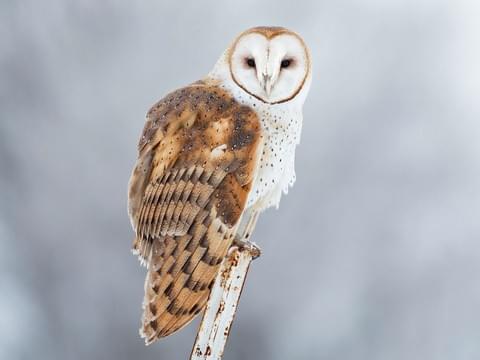
Barn Owl 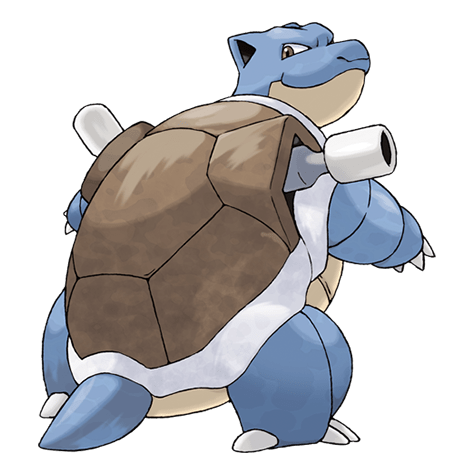
Blastoise 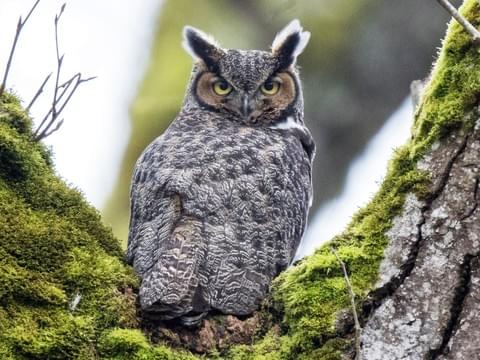
Great-Horned Owl
Chickadees and nuthatches are small, fairly common backyard birds that most birders will encounter early on in their ornithological journeys. The chickadees are ordered by rarity/range for a Bay Area Birder, as while the Chestnut-Backed Chickadee is a Peninsula stalwart, one will need to travel north to see its Black-Capped Chickadee and Mountain Chickadee cousins.

Caterpie 
Chestnut-Backed Chickadee 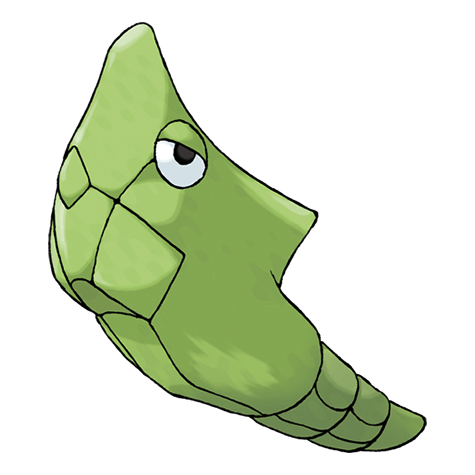
Metapod 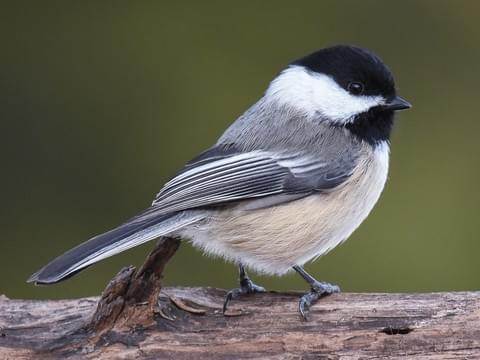
Black-Capped Chickadee 
Butterfree 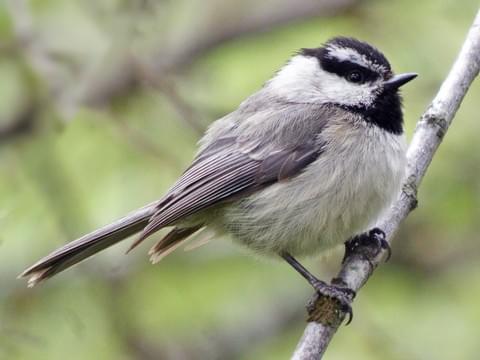
Mountain Chickadee
The Pygmy Nuthatch, Red-Breasted Nuthatch and White-Breasted Nuthatch can all be found in the South Peninsula, where they enjoy hanging upside down in trees and bird feeders. I’ve ordered them here by size, but in the Bay Area the Red-Breasted is usually the toughest one to spot.
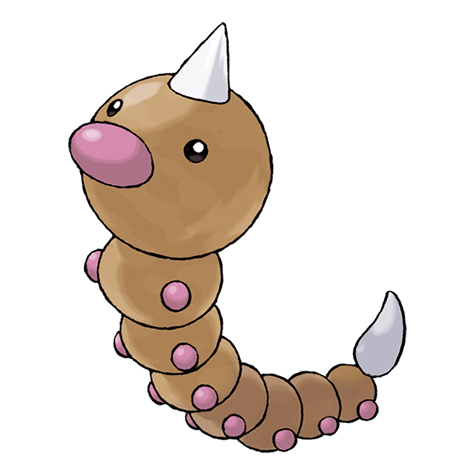
Weedle 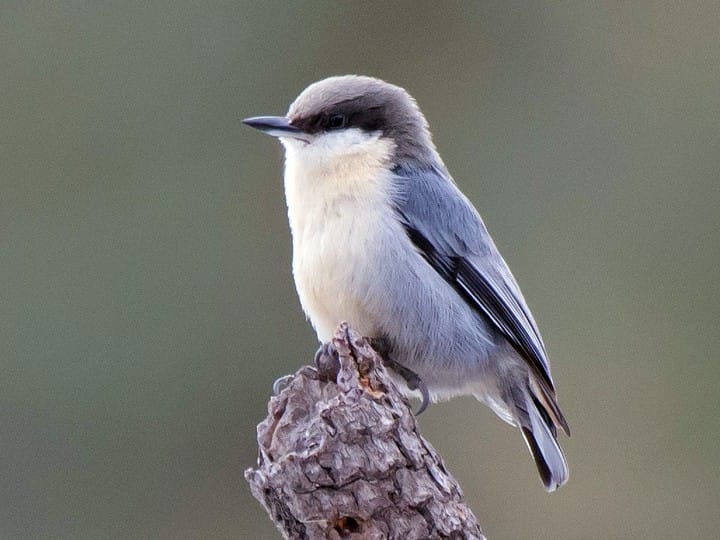
Pygmy Nuthatch 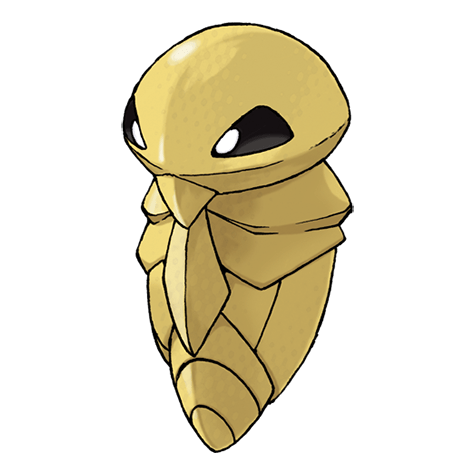
Kakuna 
Red-Breasted Nuthatch 
Beedrill 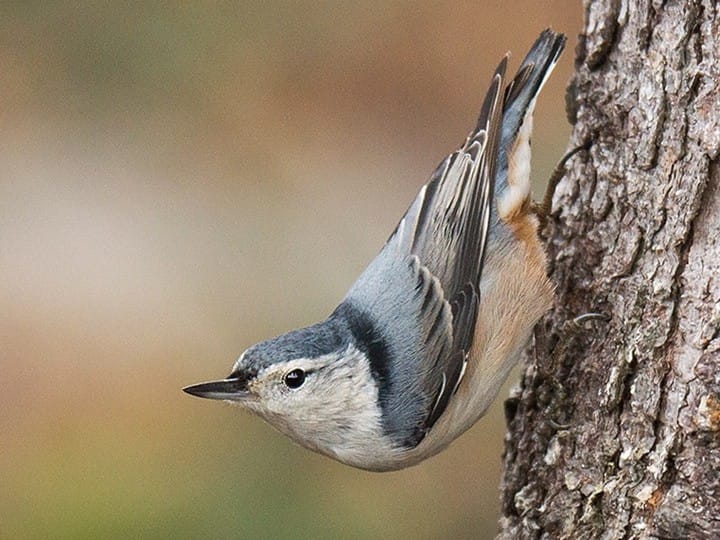
White-Breasted Nuthatch
I had to take the low hanging fruit here and match the Pidgey family with the doves/pigeons. I hesitated to put the Mourning Dove “below” the Rock Pigeon (common city pigeon), but in the end ranking by size made the most sense here. Flocks of Band-Tailed Pigeon are relatively common in Pacific forests, and occasionally you’ll find them mixing company with their city brethren.

Pidgey 
Mourning Dove 
Pidgeotto 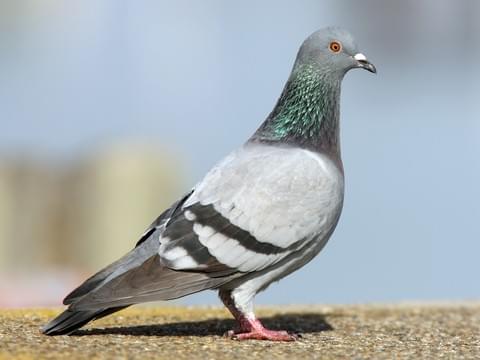
Rock Pigeon 
Pidgeot 
Band-Tailed Pigeon
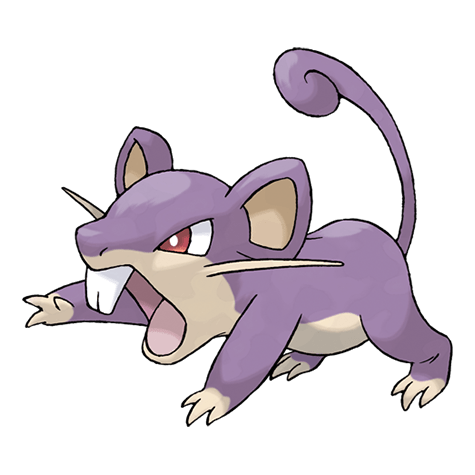
In almost any U.S. city you’ll find plenty of these two nuisances, the House Sparrow and the European Starling. While not closely related, the sparrow and starling are both introduced species which have spread across the entire country, replacing native bird populations in their own bird version of Manifest Destiny. Given their ubiquity and undesirability, I’ve equated them with the rat Pokemon. On a positive note, these two should be pretty easy additions to the life list!
Rattata 
House Sparrow 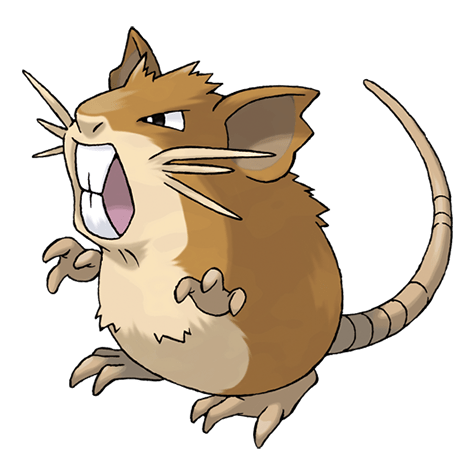
Raticate 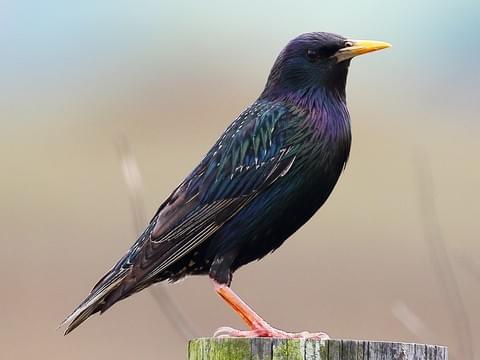
European Starling
Spearow is basically Pokemon for sparrow, but I decided it fit better with the House Finch, a common backyard bird that should be one of the first check marks on a young birder’s list. For its evolution, I chose the Purple Finch, a bird with an even greater splash of color that is less easily found than the House Finch.
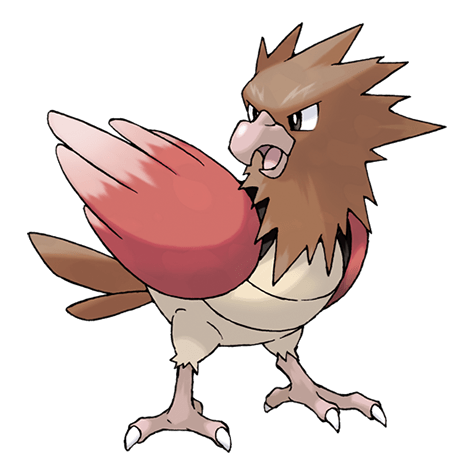
Spearow 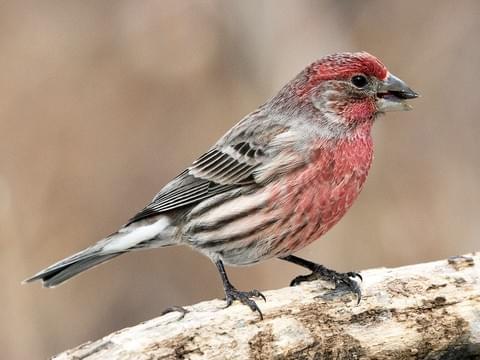
House Finch 
Fearow 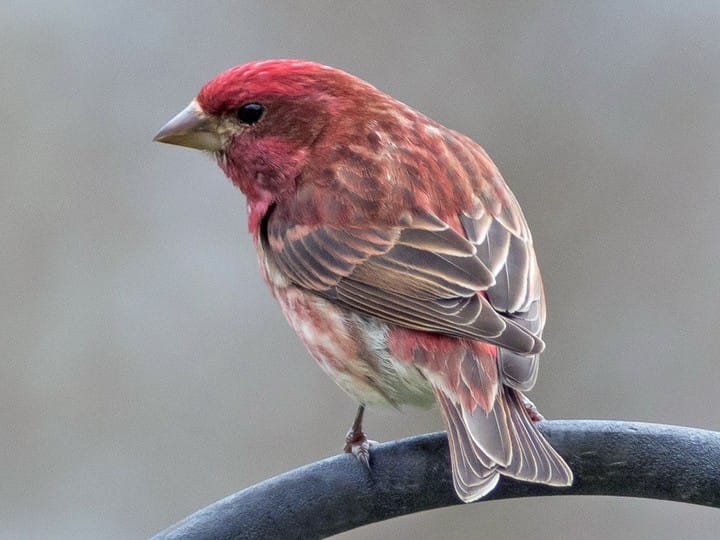
Purple Finch
Ekans are Arbok are only available in Pokemon Red, so I went with two birds that require some travel outside of California. The famous Northern Cardinal is primarily an East Coast resident, although it has also established breeding populations in Hawaii (and who can blame them). Meanwhile the Pyrrhuloxia, is a less well known cousin of the Cardinal which can be found throughout the Southwest.

Ekans 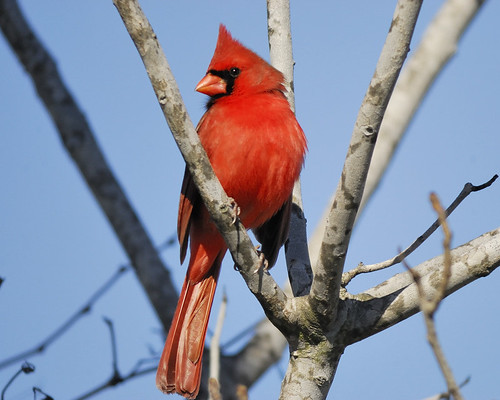
Northern Cardinal 
Arbok 
Pyrrhuloxia
I felt some pressure in finding Pikachu’s match, since the little yellow mouse is one of the most recognizable characters of all time. Given his unbridled energy and small stature, I found that it and Raichu paired well with Anna’s Hummingbird and Allen’s Hummingbird, the two most common hummingbird species in California. Anna’s is the more prevalent of the two, as Allen’s only appears during the summer months.

Pikachu 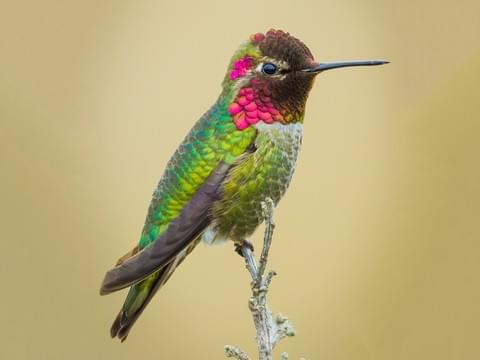
Anna’s Hummingbird 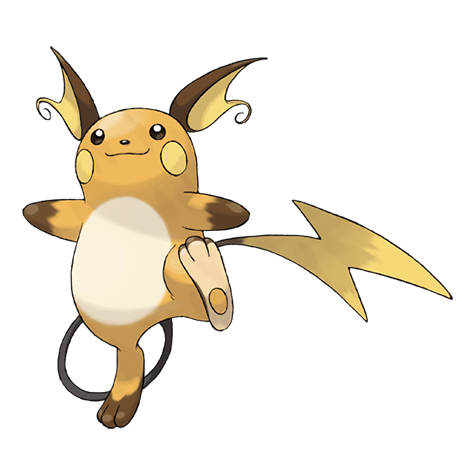
Raichu 
Allen’s Hummingbird
 Sports and Animals
This blog post is stellar James! Thank you so much for taking the time to put it together. As someone who both loves Pokemon and birds, this is incredibly informative and highly entertaining (you did a wonderful job with the evolutions). Hopefully this post serves to get more people excited about birdwatching. It could also help to bring different generations together, as it provides a way for both older and younger generations to get excited about all of the amazing birds out there. So well done!