The colors may not match here, but as Sandshrew and Sandslash are Pokemon Blue exclusives, I wanted to find two birds endemic to the West Coast. The California Scrub-Jay is a common backyard presence, while the Steller’s Jay is a rarer (and louder) occasional addition. It’s also a nice coincidence that the Steller’s mohawk matches Sandslash’s hedgehog spikes.

Sandshrew 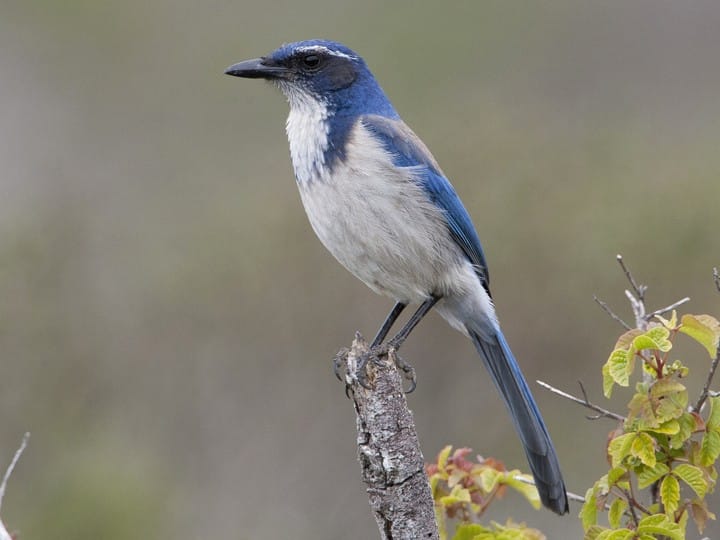
California Scrub-Jay 
Sandslash 
Steller’s Jay
With the Nidoran family trees, I chose two parallel tracks of evolving birds, the Egrets and Herons. The Great Egret is actually the most common of the three below, but the Cattle Egret and Snowy Egret can both be found during the winter months.

Nidoran ♀ 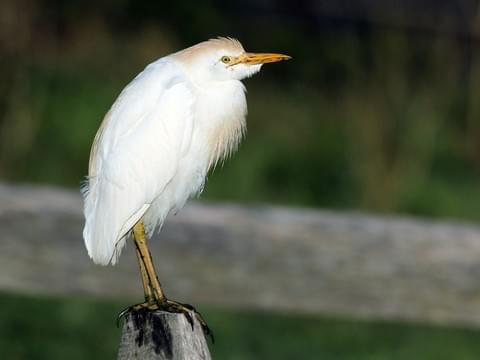
Cattle Egret 
Nidorina 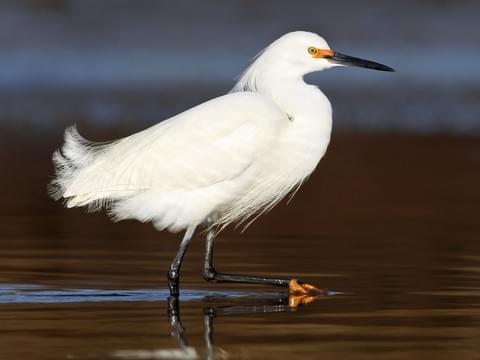
Snowy Egret 
Nidoqueen 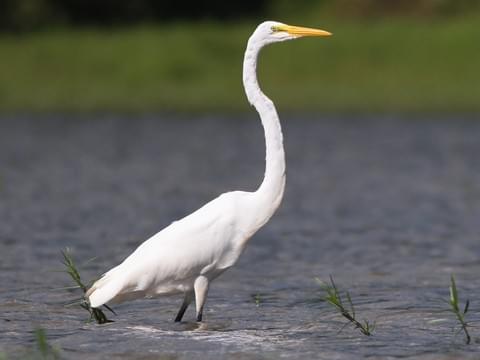
Great Egret
The Herons are ordered in increasing size, but the difficulty in spotting them is inverted. The Great Blue Heron is the most impressive of the bunch, but these are relatively easy to spot given their immense stature. The Black-Crowned Night-Heron is aptly named given that it is most active at dusk and night, although occasionally they can be found sleeping in trees in the middle of the day. The Green Heron is a smaller and well camouflaged bird, often hiding in plain sight in Bay Area marshland.

Nidoran ♂️ 
Green Heron 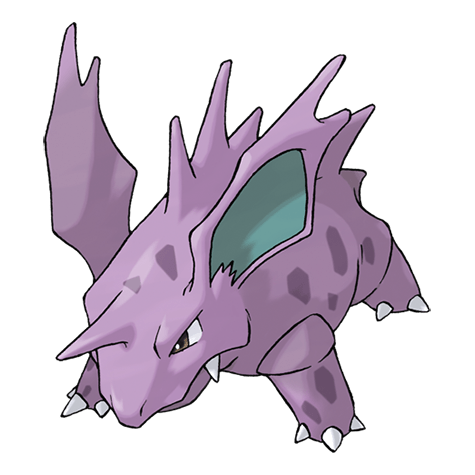
Nidorino 
Black-Crowned Night-Heron 
Nidoking 
Great Blue Heron
Despite their names, the Bushtit and Wrentit aren’t closely related. Rather, they’ve been lumped together because they’re both inconspicuous brown birds of the chaparral with goofy names matching the Clefairy family. Bushtits are the original LBB’s (Little Brown Birds) as flocks of the little suckers are prevalent on most Bay Area hikes. Generally, they don’t slow down enough to get a good look at them! Meanwhile, Wrentits are rarely seen, but their “bouncing ball” song is commonly heard in the hills of Northern California.

Clefairy 
Bushtit 
Clefable 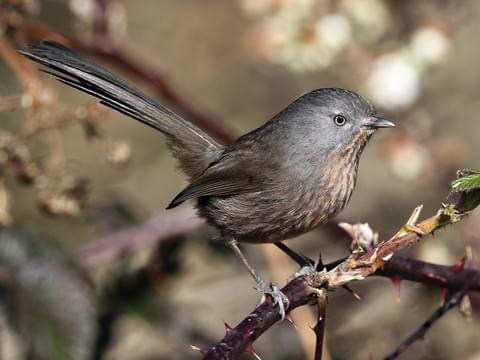
Wrentit
Vulpix and Ninetales are Pokemon Blue only, so I matched them with two backyard birds found only on the West Coast. Towhees are large sparrows, and the California Towhee and Spotted Towhee are commonly-seen ground foragers. If you hear some rustling leaves in the bushes on a walk, there’s a good chance it’s one of these two.
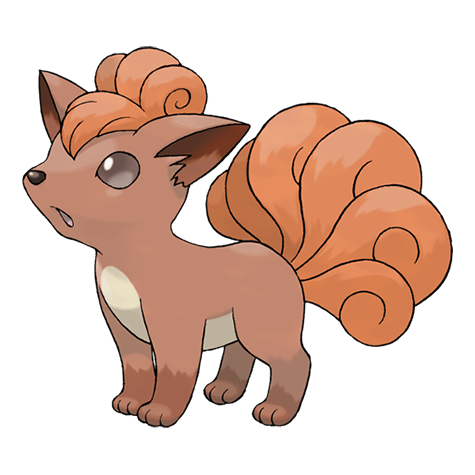
Vulpix 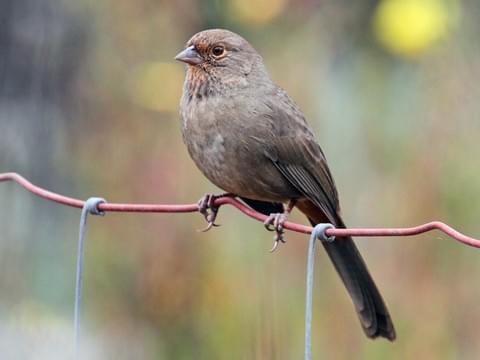
California Towhee 
Ninetales 
Spotted Towhee
The American Robin is a staple of the American backyard, and its cheery song makes it a good match for Jigglypuff (for the non Poke-fans, Jigglypuff liked to sing). The Varied Thrush is a more colorful cousin of the Robin that lives year-round in the Pacific Northwest, although some migrate down to California for the winter.

Jigglypuff 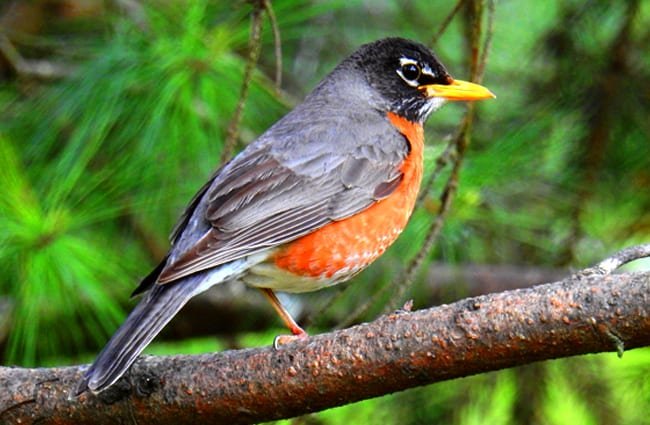
American Robin 
Wigglytuff 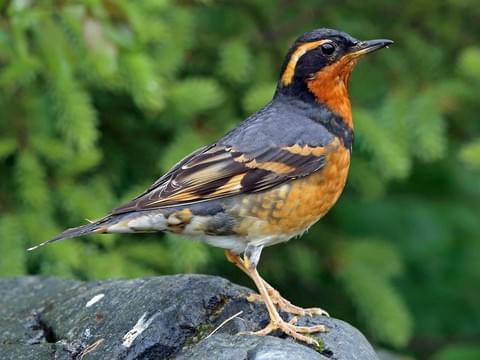
Varied Thrush
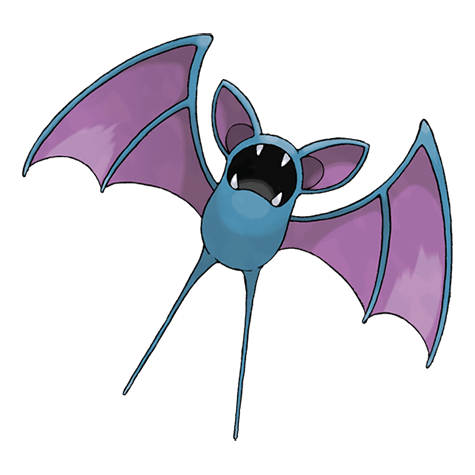
The American Crow and Common Raven are familiar sights, but are often confused for one another. Next time you see a large black bird in flight, look at its tail feathers. Ravens have large, wedge-shaped tails (like a large slice of pizza), while Crows have squarer, less-expansive tails. This Audubon site goes into more detail. They’re paired with the bat Pokemon given their sinister looks, as well as their common pairing with evil villains (Zubat and Golbat were Team Rocket specialties).
Zubat 
American Crow 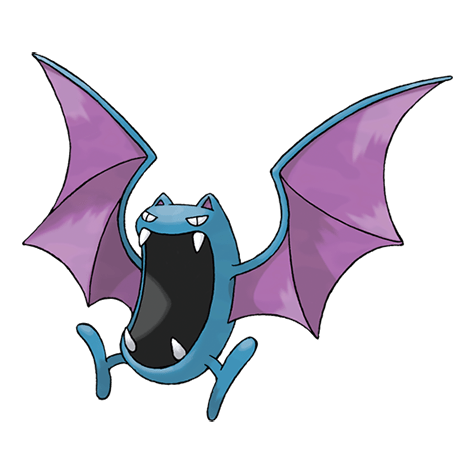
Golbat 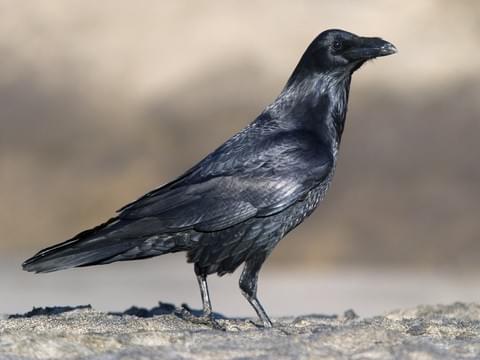
Common Raven
The Eastern Bluebird, Indigo Bunting and Blue Jay aren’t related, but as the Oddish family are Red exclusives, I wanted to include three similar looking birds that can only be found on the East Coast. Blue Jays and Eastern Bluebirds are common sights year round in Central and Eastern time zones, but you won’t find either in California. Indigo Buntings meanwhile only appear on the East Coast in the summer months.

Oddish 
Eastern Bluebird 
Gloom 
Indigo Bunting 
Vileplume 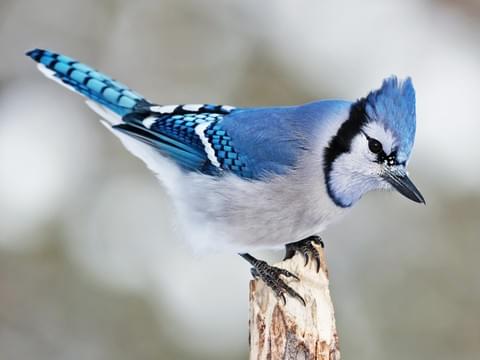
Blue Jay
Paras and Parasect were two Pokemon that you’d encounter early in the game, but you’d have to do some digging to find them in the recesses of Mount Moon. The Ruby-Crowned Kinglet is a relatively common bird in winter, but it takes some work to find the little critters as they dart along the tops of trees. The Golden-Crowned Kinglet is a little rarer, and sports the trendier hairpiece.

Paras 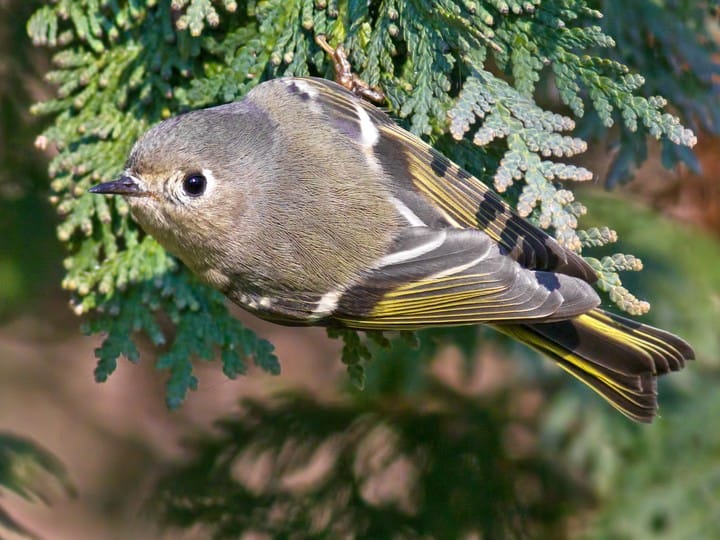
Ruby-Crowned Kinglet 
Parasect 
Golden-Crowned Kinglet
Bluebirds are voracious insectivores, so I thought they might go nicely with a gnat and a moth. The Western Bluebird is generally common in open fields and grassland, where it perches prominently in order to scope out potential fly-by meals. The Mountain Bluebird is a rarer sighting, generally requiring a trek to the Sierras, but occasionally a few come down off the mountains to grace our presence in the Bay Area.

Venonat 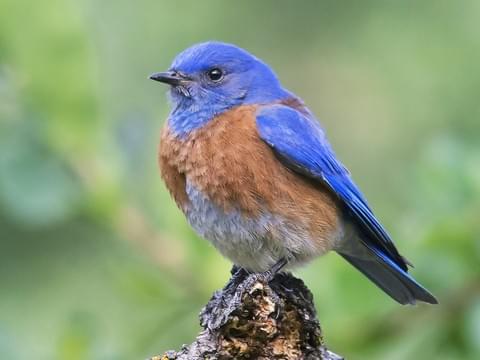
Western Bluebird 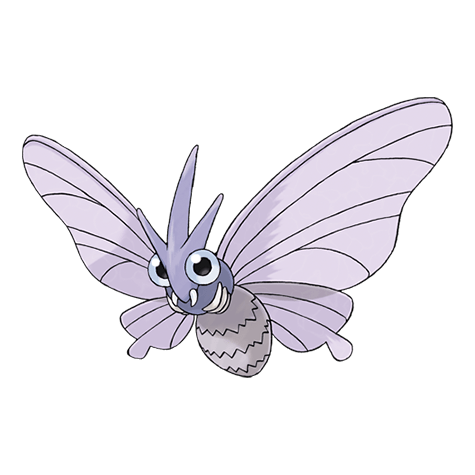
Venomoth 
Mountain Bluebird
This one took some “digging,” but I eventually matched these mole Pokemon with two species of burrowing owls. The Burrowing Owl and Short-Eared Owl both live in underground burrows and hunt during the day. The Burrowing Owl can be seen in the Bay Area all year, while we sadly have to wait for the winter months for a chance at a Short-Eared Owl.

Diglett 
Burrowing Owl 
Dugtrio 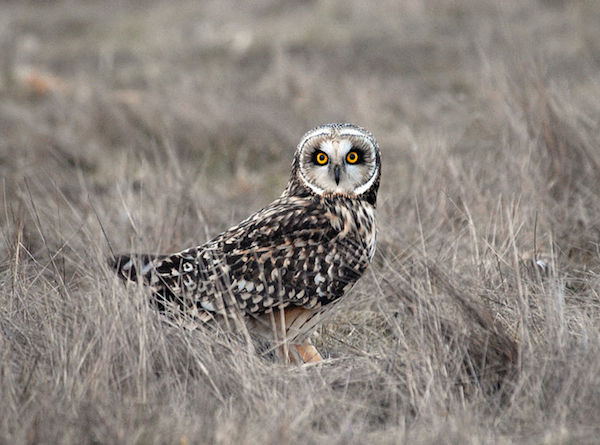
Short-Eared Owl
 Sports and Animals
This blog post is stellar James! Thank you so much for taking the time to put it together. As someone who both loves Pokemon and birds, this is incredibly informative and highly entertaining (you did a wonderful job with the evolutions). Hopefully this post serves to get more people excited about birdwatching. It could also help to bring different generations together, as it provides a way for both older and younger generations to get excited about all of the amazing birds out there. So well done!