The Hooded Oriole and Bullock’s Oriole are both summer visitors to the Bay Area, where they can be seen sipping nectar from hummingbird feeders. In case you’re wondering, neither of these two species lent their name to the Baltimore Orioles baseball team. That honor was bestowed upon the East Coast endemic of the same name, which also happens to be the state bird of Maryland.

Ponyta 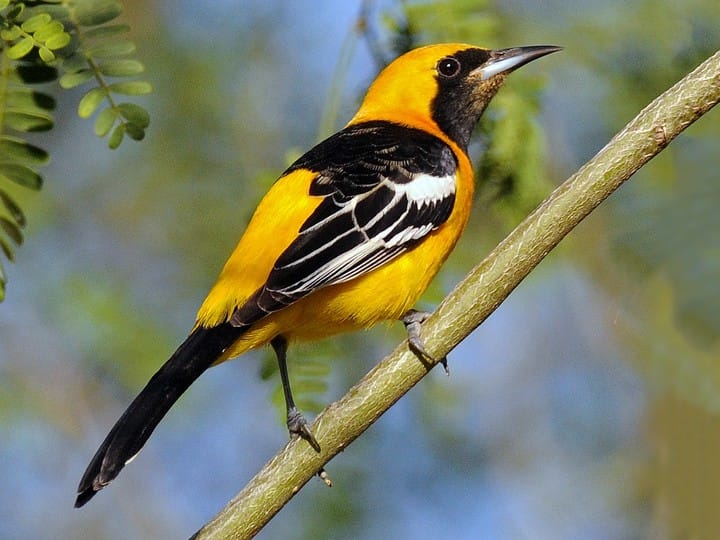
Hooded Oriole 
Rapidash 
Bullock’s Oriole
Slowpoke is a goofy Pokemon, and the coot is kind of a goofy bird. A common resident of lakes and ponds across the U.S., the American Coot is like a duck, but not quite, with a smaller head and without webbed feet. The Common Gallinule is a little smaller than the coot but harder to spot, spending most of its time in thick covered vegetation.

Slowpoke 
American Coot 
Slowbro 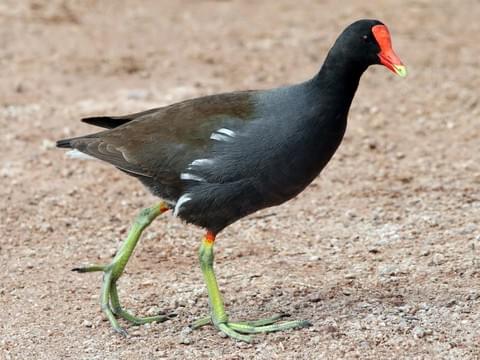
Common Gallinule
The connection here is the color grey, and the fact that the evolved forms look so similar. Poetically referred to as the “voice and soul of the oak woodlands” by naturalist Dave Shuford, the Oak Titmouse is a cheery resident of warm oak forests throughout California. Until 1996, it was considered the same species as its cousin, the Juniper Titmouse, which is found east of California, in the Southwest United States.

Magnemite 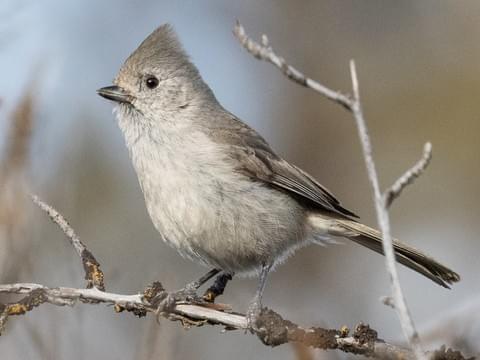
Oak Titmouse 
Magneton 
Juniper Titmouse
The male Ruddy Duck may look like a children’s drawing, with its sky blue bill and chestnut body, but in the eye of the bird-holder it’s a beautiful specimen.
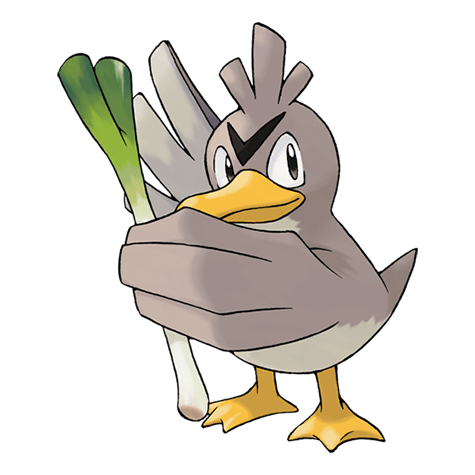
Farfetch’d 
Ruddy Duck
The Roadrunner and Pheasant aren’t closely related, but as quick-footed terrestrial birds I though they’d make a nice pair. The Greater Roadrunner is the prototypical speedster of the bird world, having been made famous by years of Warner Brothers cartoons. Sadly, in reality coyotes are roughly twice as fast as roadrunners, so Wiley likely ate pretty well. The Ring-Necked Pheasant was introduced to the U.S. in the late 1800’s, and has since spread across the Midwest, although its presence in California is mostly limited to the Central Valley.

Doduo 
Greater Roadrunner 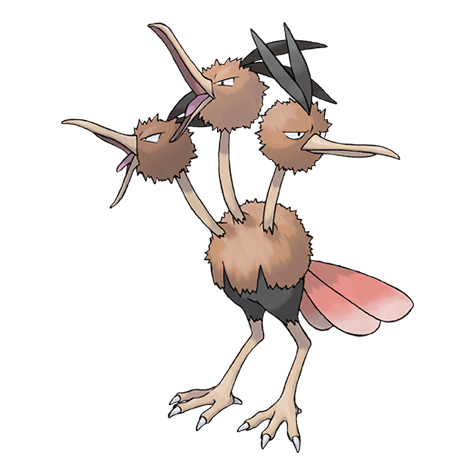
Dodrio 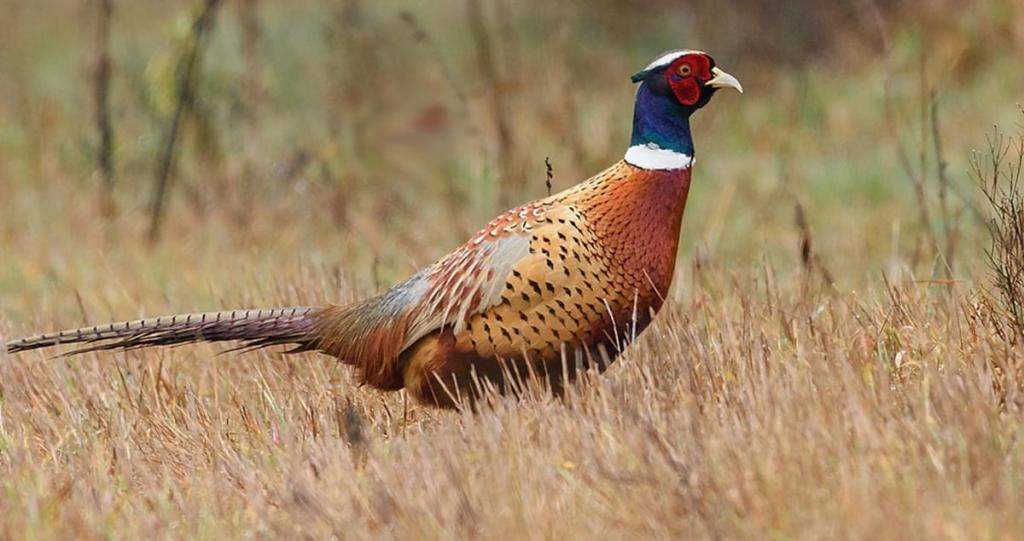
Ring-Necked Pheasant
Later Pokemon games had an actual Pelican, but for this installment I decided the pinnipeds below could suffice. The Brown Pelican bounced back from the brink of extinction to become a common sight along California beaches and the Gulf of Mexico. It also happens to be the state bird of Louisiana, hence the name of the New Orleans basketball team. The larger American White Pelican is a less frequent sighting in California, but can be seen on inland lakes in the summer and along the coast in the winter.

Seel 
Brown Pelican 
Dewgong 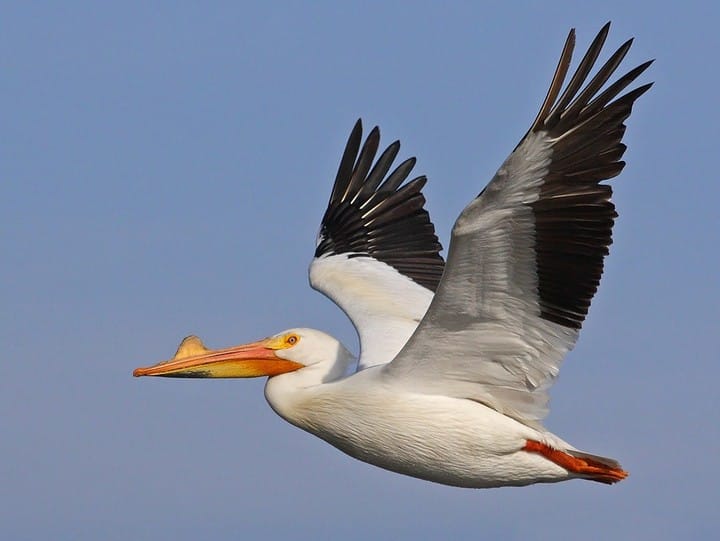
American White Pelican
It’s tough matching animated toxic sludge with a real world bird, so we’re leaning heavily here on the color purple. The Barn Swallow is a summer staple of American fields and farmhouses, and can be identified by its distinctly forked tail. The Purple Martin is the largest American Swallow, and is a rarer summer sighting in California.

Grimer 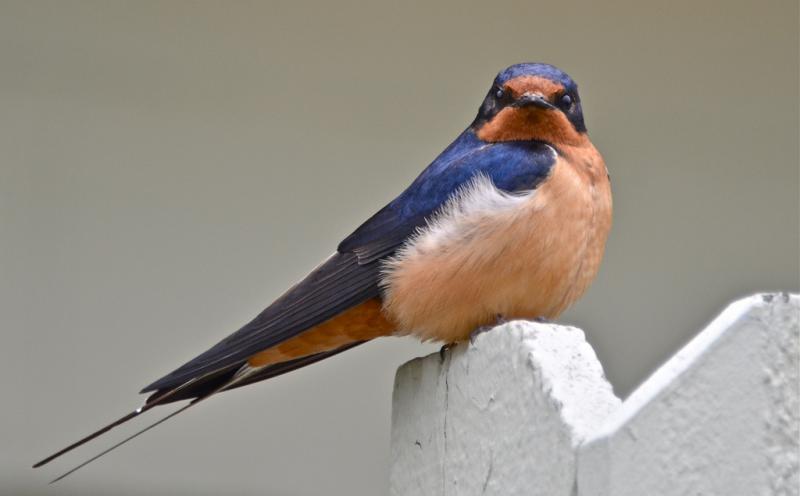
Barn Swallow 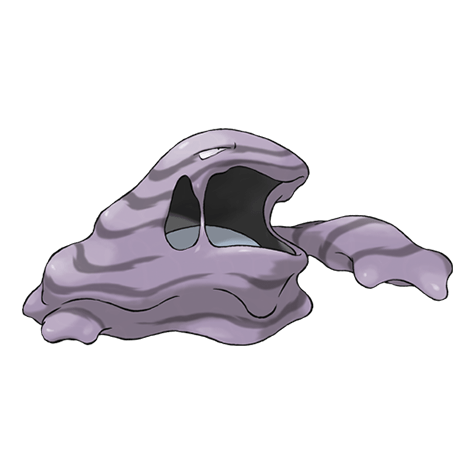
Muk 
Purple Martin
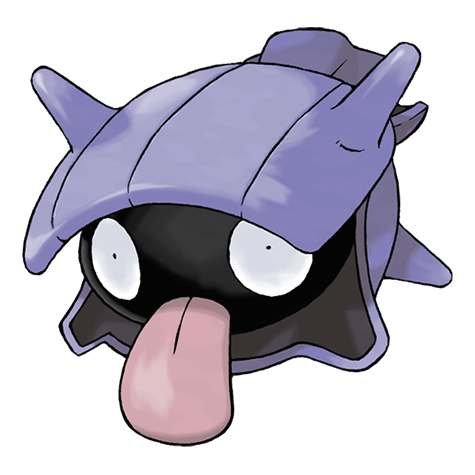
You are what you eat, so these two shorebirds are paired with the mollusk Pokemon. The Black Turnstone is a winter visitor to the Pacific shoreline, while the Black Oystercatcher makes its home here year-round. Both enjoy eating aquatic inveterbrates.
Shellder 
Black Turnstone 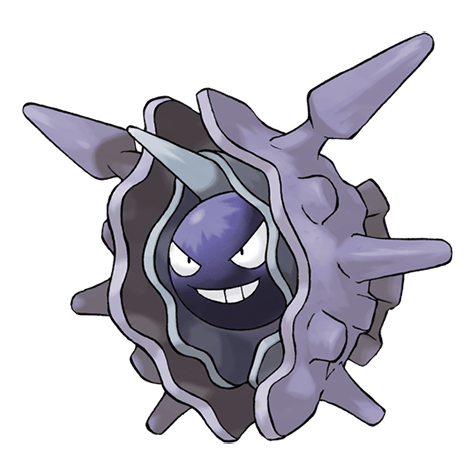
Cloyster 
Black Oystercatcher
The ghost Pokemon could have potentially matched with some nocturnal birds, but the extended blackbird family deserved three inclusions on this list. Brewer’s Blackbird is a common sight in California parks, while the Red-Winged Blackbird favors marshes and telephone wires. The magnificent Great-Tailed Grackle requires a trip to Southern California or the Southwest, where its large tail makes it unmistakable.

Ghastly 
Brewer’s Blackbird 
Haunter 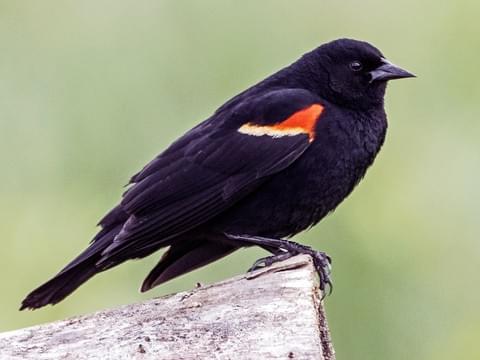
Red-Winged Blackbird 
Gengar 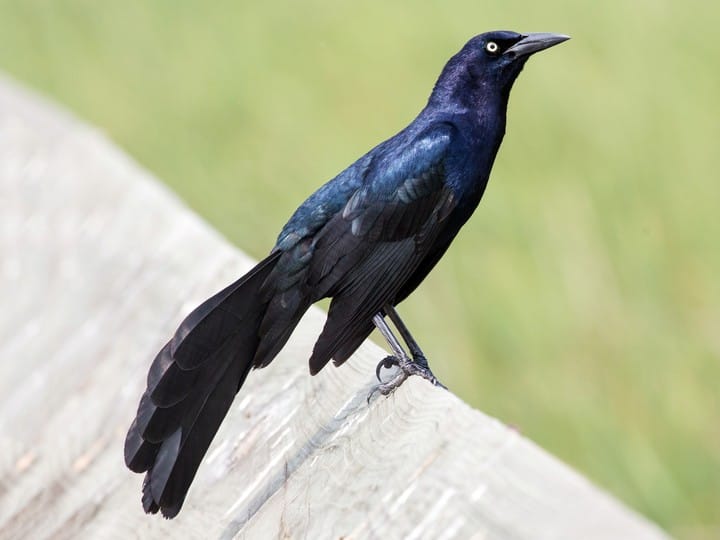
Great-Tailed Grackle
Nothing really matches the giant rock monster that is Onix, but the White-Faced Ibis is at least distinct enough to deserve a spot on this list. Heron-like but with a long, down-turned bill, the Ibis is only an occasional visitor to the Bay Area, although there are breeding colonies throughout the Central Valley.

Onix 
White-Faced Ibis
These Pokemon hypnotize their enemies to sleep (hence the punny names), so they’re matched here with with two crepuscular flyers. The Common Poorwhill gets its name for its onomatopoetic call, while the name Common Nighthawk is a bit of a misnomer – the bird is neither a hawk, nor particularly active at night (it prefers dawn and dusk). Both are only present in California in the summer months.

Drowzee 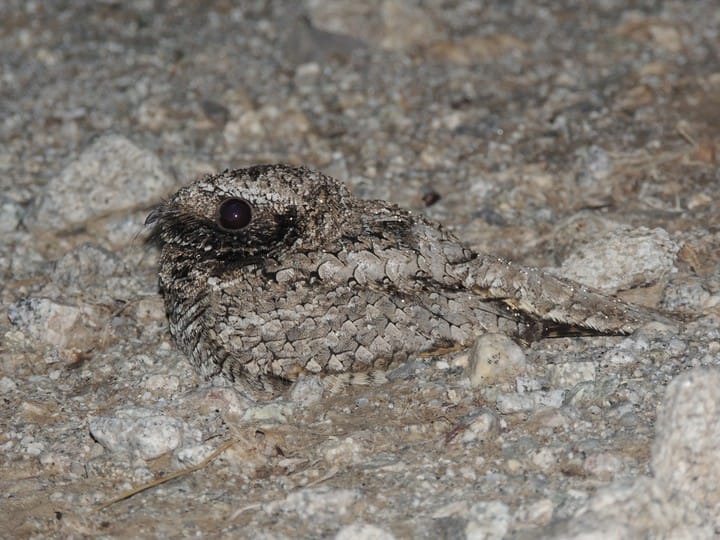
Common Poorwhill 
Hypno 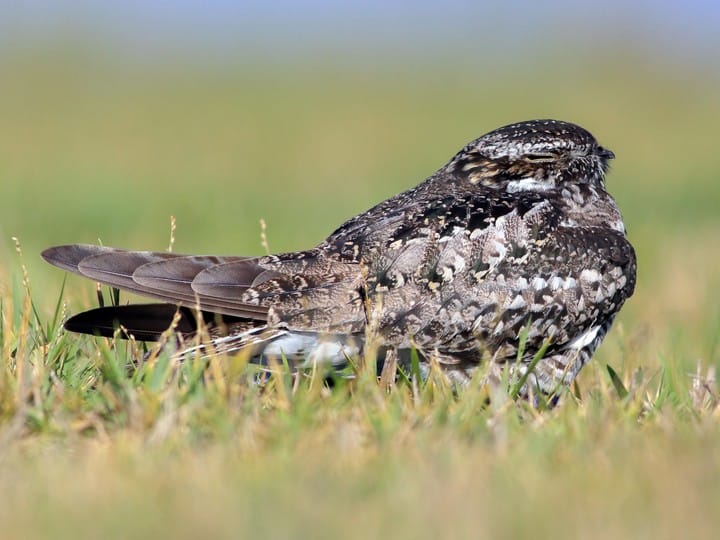
Common Nighthawk
Geese are notoriously “crabby,” hence the match. The Canada Goose is a familiar sight to birders and non-birders alike, while the Mute Swan is an introduced species found primarily in the Great Lakes and Northwest.

Krabby 
Canada Goose 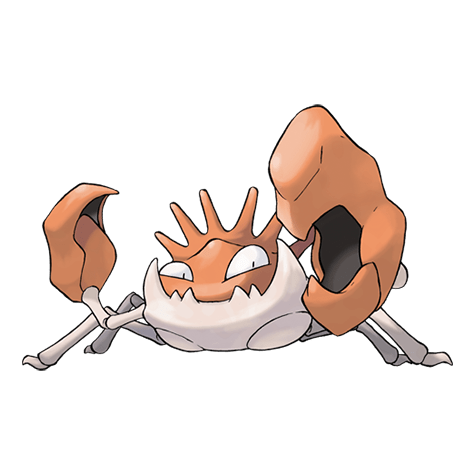
Kingler 
Mute Swan
 Sports and Animals
This blog post is stellar James! Thank you so much for taking the time to put it together. As someone who both loves Pokemon and birds, this is incredibly informative and highly entertaining (you did a wonderful job with the evolutions). Hopefully this post serves to get more people excited about birdwatching. It could also help to bring different generations together, as it provides a way for both older and younger generations to get excited about all of the amazing birds out there. So well done!