Voltorb and Electrode are so similar-looking that they had to be paired with two birds equally alike. The Cedar Waxwing is a winter visitor to the Bay Area, where the species descends in flocks to pick clean any bush with berries. The Bohemian Waxwing gets its name for being a true wanderer – while flocks are occasionally seen in California they are spread all over the U.S., and a sighting is hard to come by.

Voltorb 
Cedar Waxwing 
Electrode 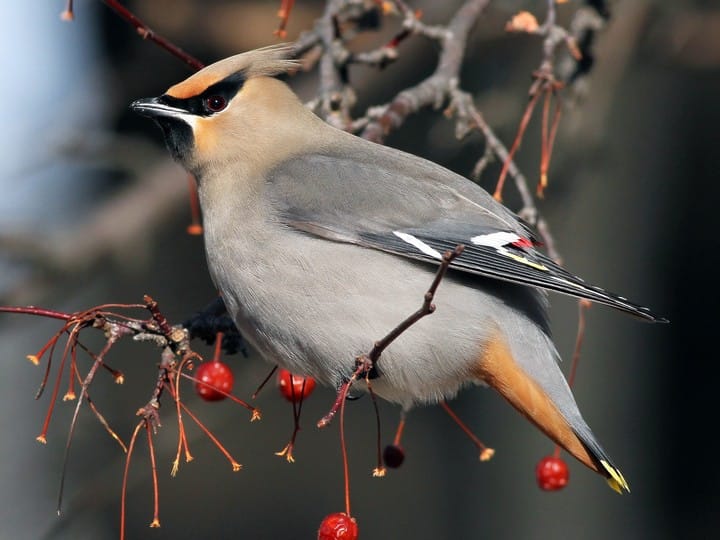
Bohemian Waxwing
Cowbirds are brood parasitic birds, meaning they lay their eggs in the nests of other birds, tricking other species into becoming unwitting foster parents. The Brown-Headed Cowbird is a common sight in California fields and parks, while the Bronzed Cowbird requires a trip to the Southwest.

Exeggcute 
Brown-Headed Cowbird 
Exeggutor 
Bronzed Cowbird
Cubone and Marowak are associated with death (it’s a rather dark origin story for a kid’s game), and so the Vultures make a nice pairing. The Turkey Vulture is a common sight across the U.S., while its cousin the Black Vulture is confined to the Southeast.

Cubone 
Turkey Vulture 
Marowak 
Black Vulture
These two fighting Pokemon are mirror compliments of each other, as are these two Magpies. The Yellow-Billed Magpie can only be found in California, while the Black-Billed Magpie is spread all over Western North America.

Hitmonlee 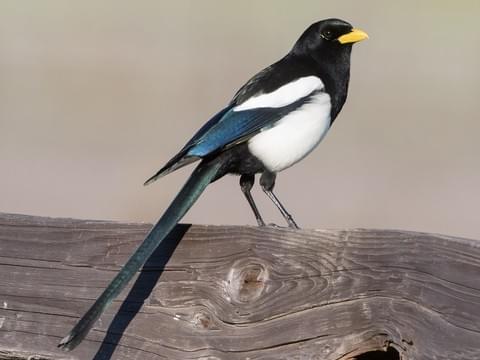
Yellow-Billed Magpie 
Hitmonchan 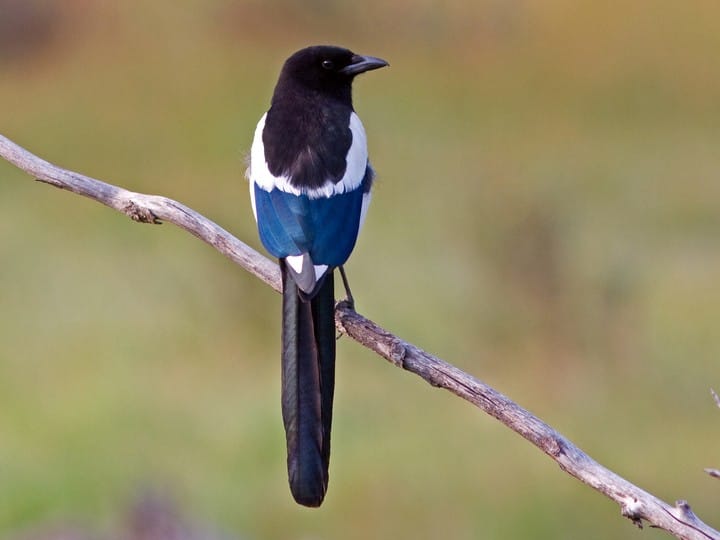
Black-Billed Magpie
Lickitung is a unique, brightly-colored Pokemon found in only a limited part of the Pokemon world (the Safari Zone). Meanwhile, the Red-Masked Parakeet (also known as the Cherry-Headed Conure, is a native South American that has established feral populations in U.S. cities through escaped pets. The species was notably the star of the documentary The Wild Parrots of Telegraph Hill. The argument over parrot/parakeet is largely a semantic one, but next time you see a flock of squawking green and red birds in San Francisco, you’re likely looking at one of these.

Lickitung 
Red-Masked Parakeet
What matches with a floating ball of noxious gas? Beats me, but pairing by color seemed as good an option as any. The Tree Swallow can be seen year-round in California, while the Violet-Green Swallow only deigns to visit during the summer. Both can be frustrating to identify as they’re constantly in motion.

Koffing 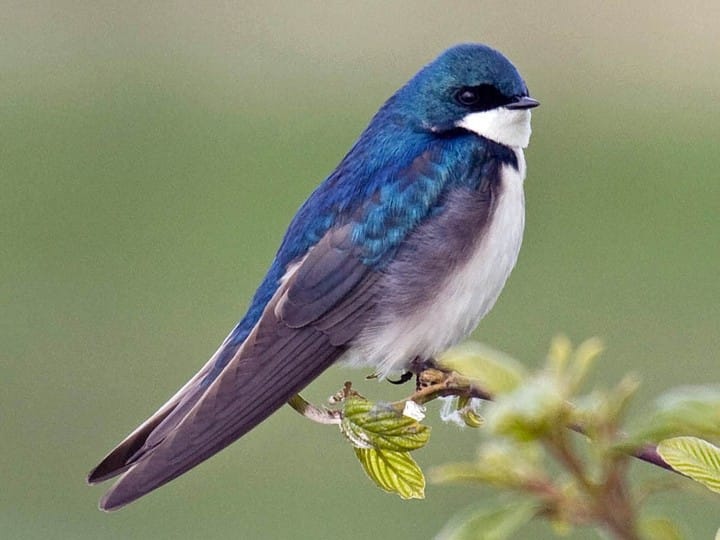
Tree Swallow 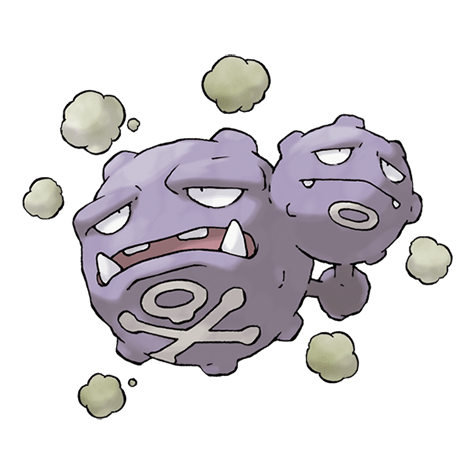
Weezing 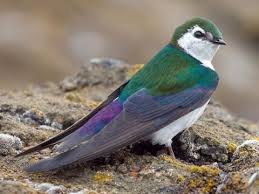
Violet-Green Swallow
These rhinos have spikes, while shrikes have a tendency to impale their prey on spikes for easy eating, a behavior that lends them the nickname “Butcher Birds.” The Loggerhead Shrike is the more common of the two species and can be found in the Bay Area year-round, while the Northern Shrike is only a winter visitor.

Rhyhorn 
Loggerhead Shrike 
Rhydon 
Northern Shrike
Our state bird, the California Quail, has the same affable presence as Chansey, the nurse of the Pokemon world. Described by some as a “round soccer ball of a bird,” California Quails give a distinctive “Chi-ca-go” call that can be heard throughout the Pacific chaparral.

Chansey 
California Quail
Tangela is a ball of vines, and since vines “creep,” we have the Brown Creeper. Brown Creepers are a fairly common presence in Pacific forests but are tricky to spot given their excellent camouflage. Look for the little critters as they spiral upwards along tree trunks, probing under the bark for insects with their curved bills.

Tangela 
Brown Creeper
Honestly, I just really wanted to get the American Dipper on this list. An aquatic songbird, the Dipper spends its days wading in streams like a fly fisherman (fisherperson?), gobbling up small invertebrates and insects.

Kangaskhan 
American Dipper
Terns are a relative of pelicans and gulls, and trips to the beach might turn up one or two species. Forster’s Tern is a winter visitor to the California Coast, although some populations have made the Bay Area their home year-round. The Black Skimmer is a very unique looking bird, with an extended lower mandible that lends it a permanent underbite. You can find them off the coast of Southern California.

Horsea 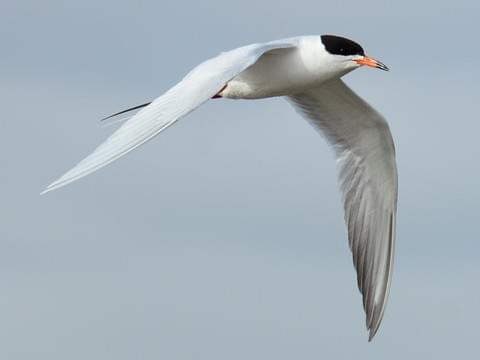
Forster’s Tern 
Seadra 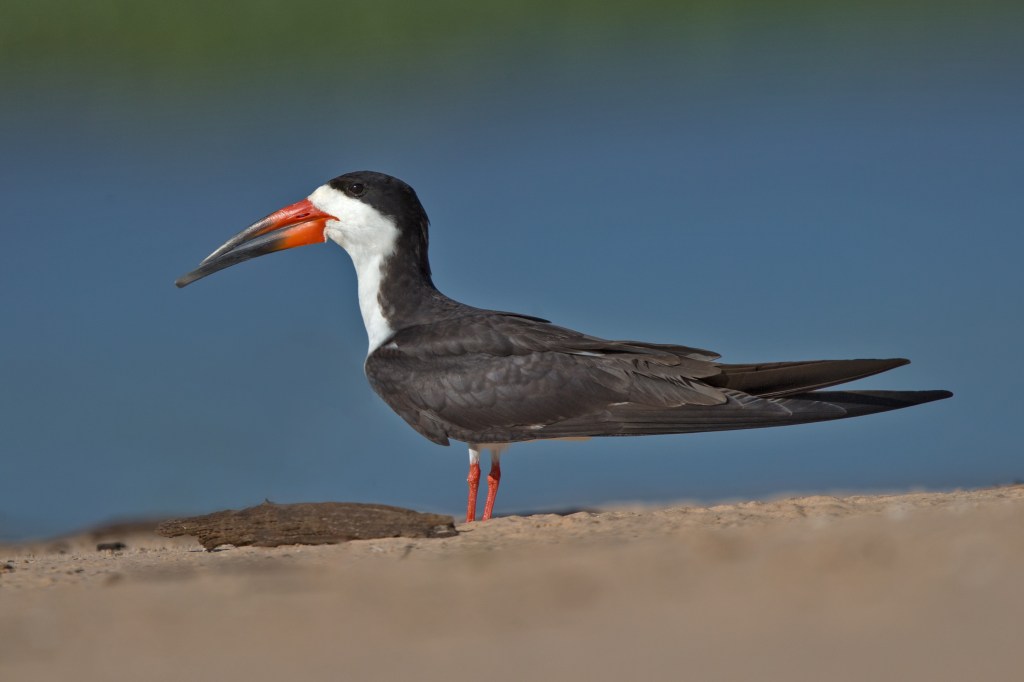
Black Skimmer
Goldfish called for more waterbirds, so I went with two of California’s favorite waders. The Black-Necked Stilt is a common sight in Bay Area marshes and mudflats. Its elegant cousin the American Avocet sports an upturned bill that it uses to probe for food.
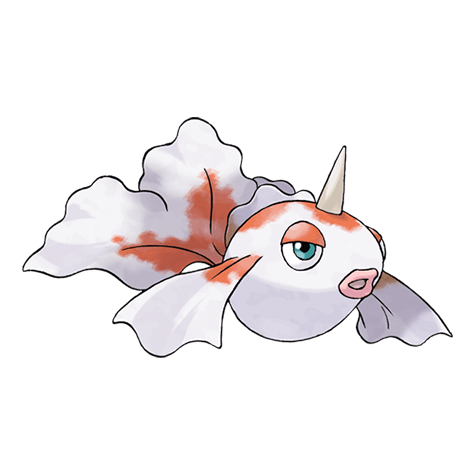
Goldeen 
Black-Necked Stilt 
Seaking 
American Avocet
The Semipalmated Plover is a common winter and migratory resident of the Pacific coastline, where flocks can be see chasing receding waves on the beach. The Killdeer can be found further inland, as the species loves to frequent golf courses, parking lots and athletic fields. The bird gets its name from its distinctive, “kill-deer” call, not for any desire to recreate the opening scenes of Bambi.

Staryu 
Semipalmated Plover 
Starmie 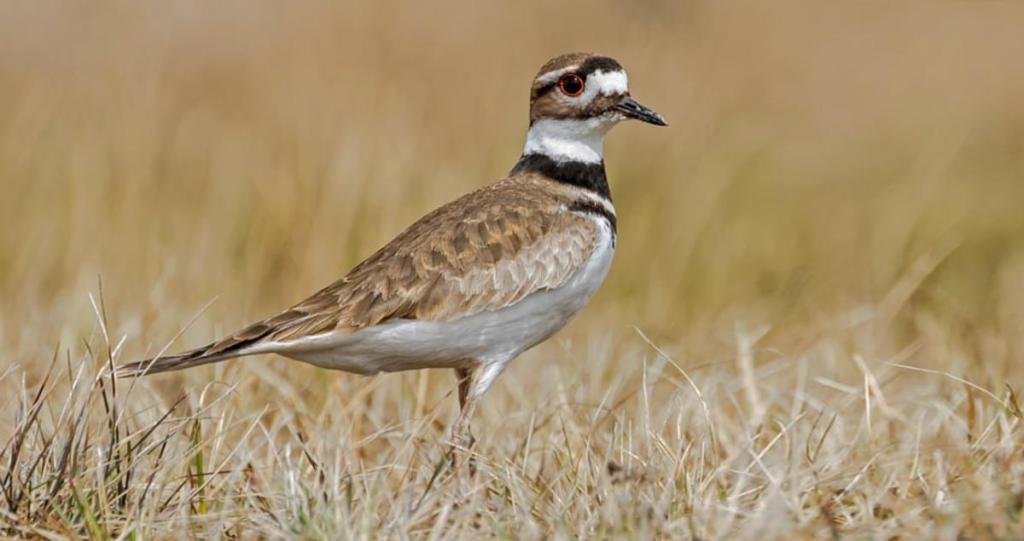
Killdeer
Mr. Mime was a mockery of a Pokemon (along with Jynx, which we’ll get to later), so it pairs well with the Northern Mockingbird. This bird is a common California resident which imitates the calls of other birds (it would also have been a nice stand in for Ditto).

Mr. Mime 
Northern Mockingbird
Scyther is a Red-only Pokemon, and the Green Jay is found only in Southern Texas and below. These Jays are very clever. Some have been observed using sticks to pry insects out from under tree bark.

Scyther 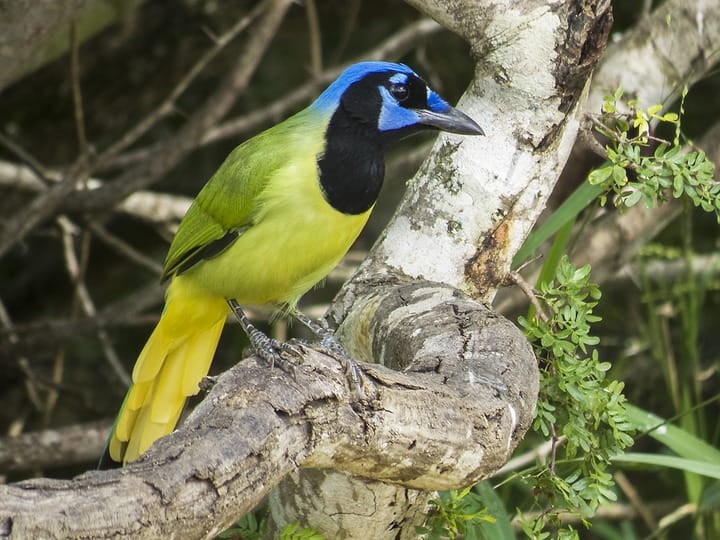
Green Jay
Jynx is probably one that the creators of Pokemon would like to take back. At least it has a match in the Greater Sage-Grouse.

Jynx 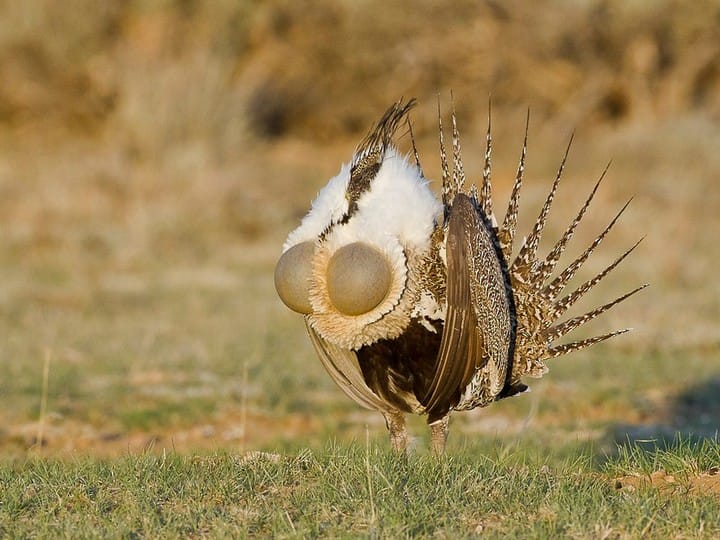
Greater Sage-Grouse
Electabuzz was only found in Pokemon Red, and the Eastern Meadowlark (true to its name) is primarily an East Coast bird. While its sibling bird the Western Meadowlark is the state bird of six states, the eastern version struck out with zero.

Electabuzz 
Eastern Meadowlark
 Sports and Animals
This blog post is stellar James! Thank you so much for taking the time to put it together. As someone who both loves Pokemon and birds, this is incredibly informative and highly entertaining (you did a wonderful job with the evolutions). Hopefully this post serves to get more people excited about birdwatching. It could also help to bring different generations together, as it provides a way for both older and younger generations to get excited about all of the amazing birds out there. So well done!