The Red-Breasted Sapsucker is a brightly-colored woodpecker of Pacific forests, found only on the West Coast. True to their name, these birds eat the sap of trees, as well as any insects that may be present in the tree juice.
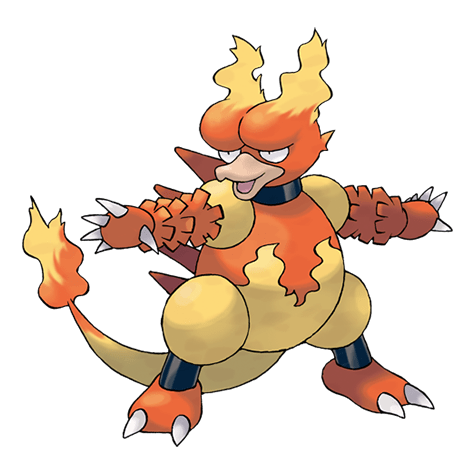
Magmar 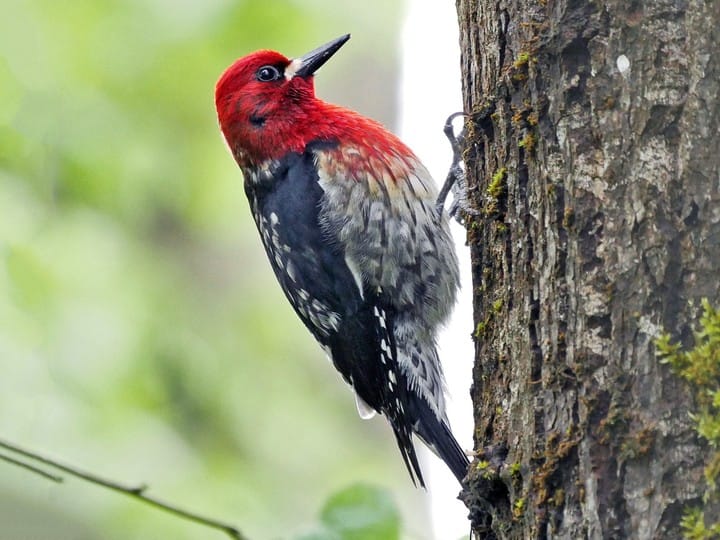
Red-Breasted Sapsucker
The curved bill of the California Thrasher matches this Pokemon’s pincers. Found only in California (inclusive of Baja), these lively songbirds impersonate other species of the Chaparral, including quail, scrub-jays and wrens. Their distinctive bills make them unmistakable.

Pinsir 
California Thrasher
Bulls like fields, and the Western Meadowlark is a common resident of grasslands and meadows across the western United States. The beloved Meadowlark is the state bird of six states: Kansas, Montana, Nebraska, North Dakota, Oregon, and Wyoming.

Tauros 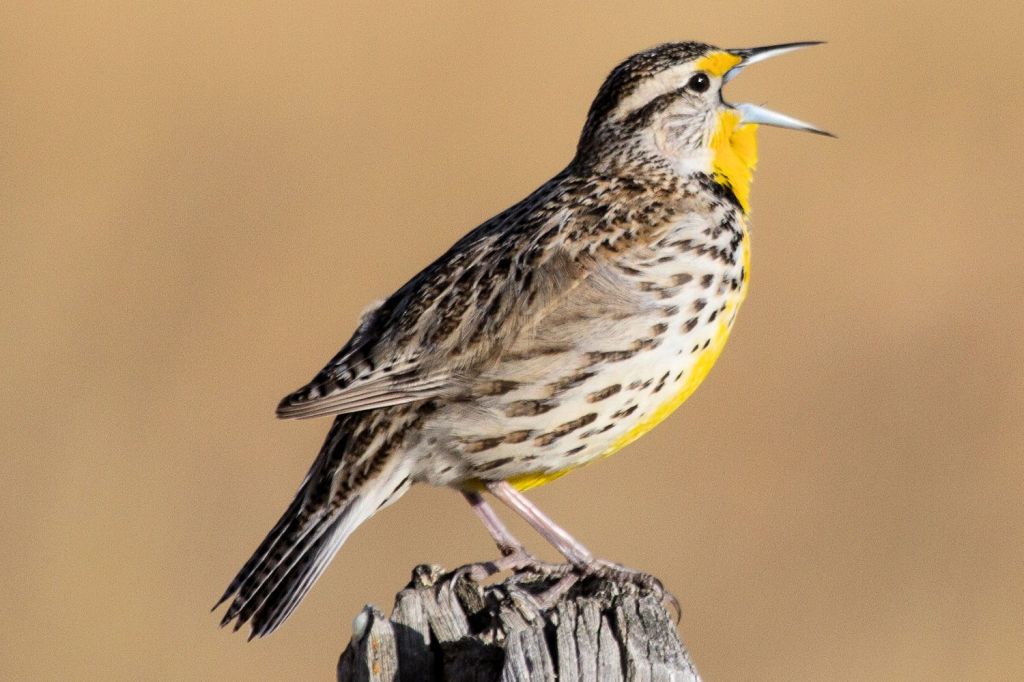
Western Meadowlark
Magikarp’s transformation into Gyrados is one of the more dramatic evolutions in the Pokemon world, and I wanted to mirror its glow-up with a worthy pair of birds. The Belted Kingfisher is a common sight by streams and lakes, where it can be found diving bill-first into the water in attempts to spear fish. The Osprey is the only North American raptor that eats exclusively live fish. After facing declining numbers due to the pesticide DDT in the 70’s, the Osprey has rebounded to once again be a mainstay around U.S. waterways.
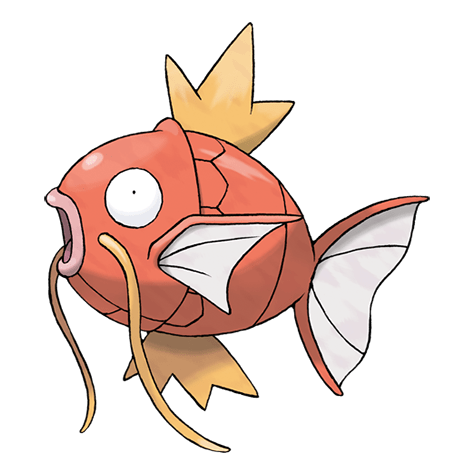
Magikarp 
Belted Kingfisher 
Gyrados 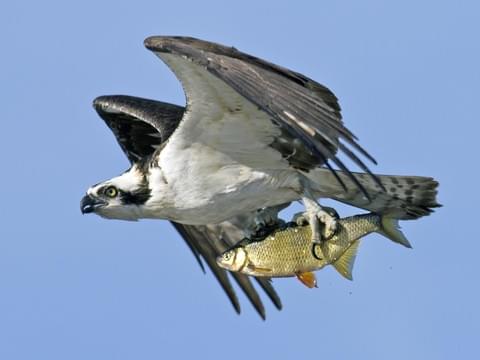
Opsrey
The Double-Crested Cormorant is a common presence by both fresh and salt water. An adept diver, the Cormorant will stand for hours with its wings spread in order to dry its feathers.

Lapras 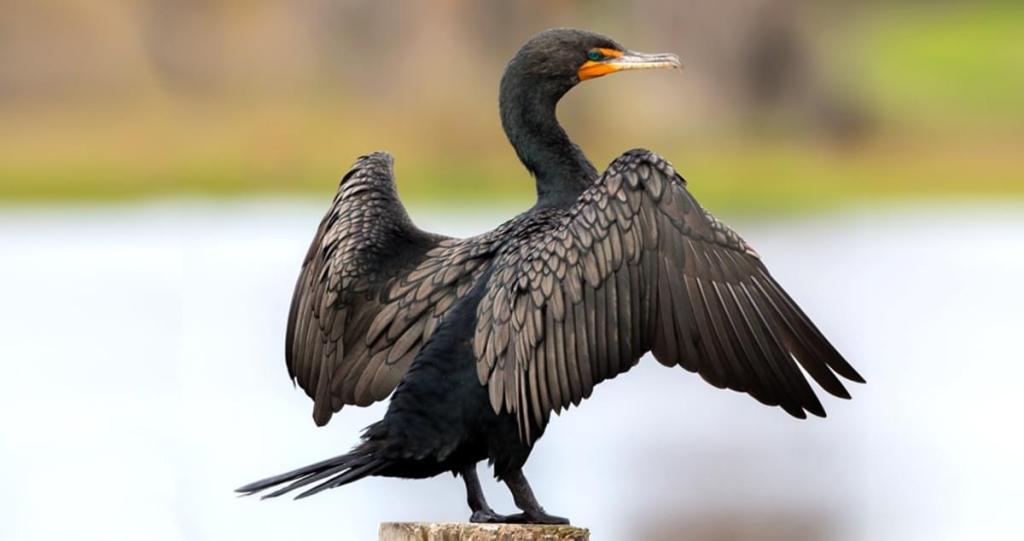
Double-Crested Cormorant
Ditto’s shtick is that it can replicate any other Pokemon. The Dark-Eyed Junco isn’t a mockingbird, but it does come in a wide variety of subspecies, all with their own distinct plumage. Why the many varieties of the Junco are considered a single species, while the Eastern and Western Meadowlark are split up, is a mystery to me. But that’s why they pay the real ornithologists the big bucks.

DItto 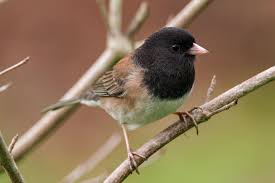
Dark-Eyed Junco
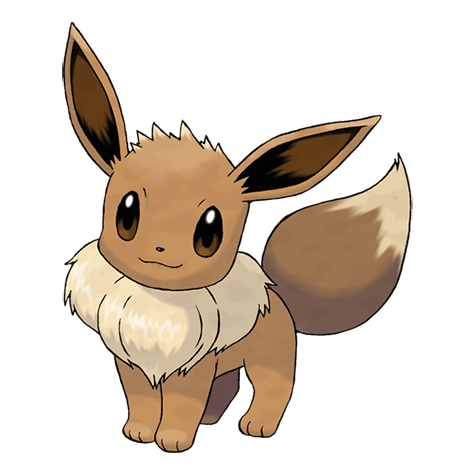
Eevee was a malleable Pokemon that could evolve it a number of directions based on the player’s preference. Warblers are a similarly diverse group of birds, with over 54 species found in North America,. The Yellow-Rumped Warbler is a common, somewhat plainly colored insect eater that lives in the Bay Area year round. Its migratory cousins the Townsend’s Warbler, Yellow Warbler and Orange-Crowned Warbler are only part-time residents.
Eevee 
Yellow-Rumped Warbler 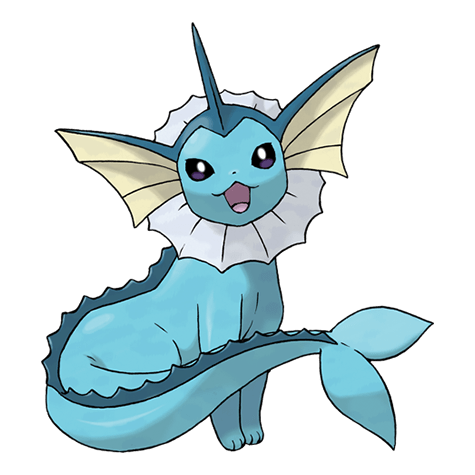
Vaporeon 
Townsend’s Warbler 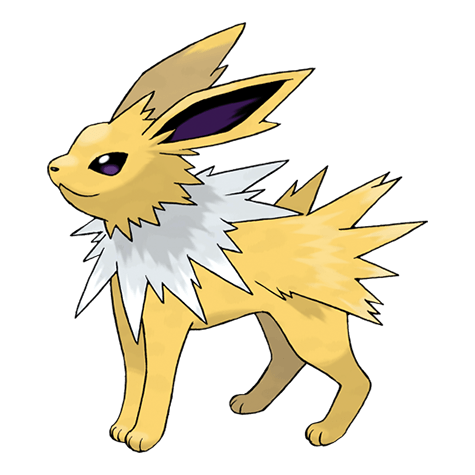
Jolteon 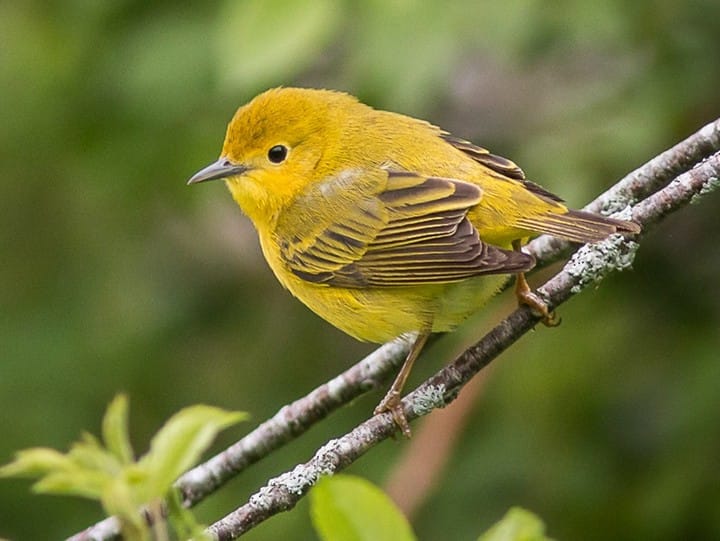
Yellow Warbler 
Flareon 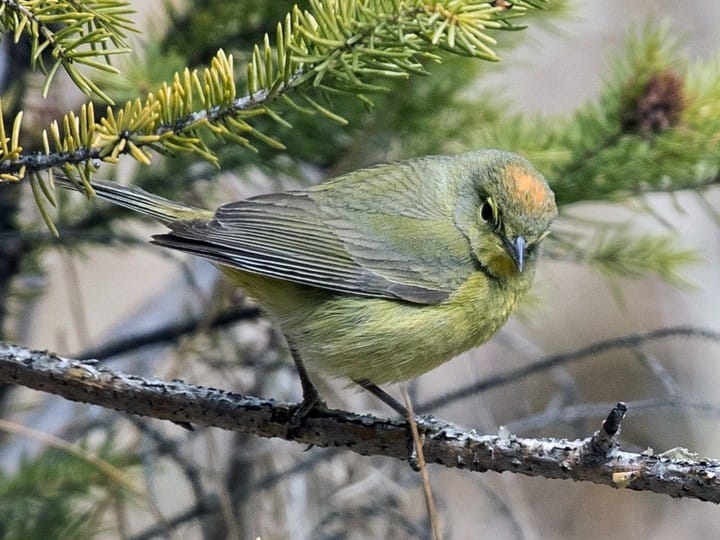
Orange-Crowned Warbler
Porygon was a computer generated Pokemon, while the Painted Bunting just looks like it’s man-made. This beautiful songbird is found throughout the Southeast in the summer.
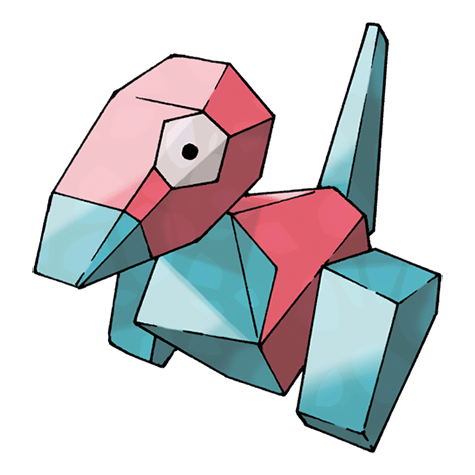
Porygon 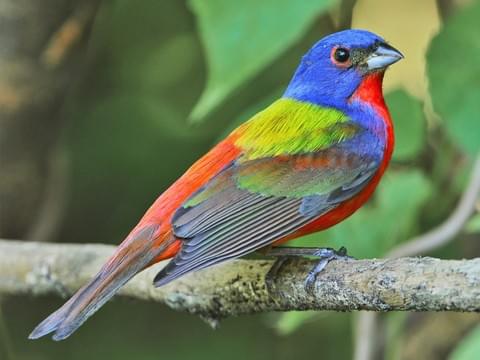
Painted Bunting
Omanyte and Omastar are water/rock Pokemon, so I figured I’d match them with two of California’s native shorebirds. The Marbled Godwit and Long-Billed Curlew are far from the only shorebirds you’re likely to see on a Northern California beach, but they’re two of the largest, and that’s even before you factor in their beaks!
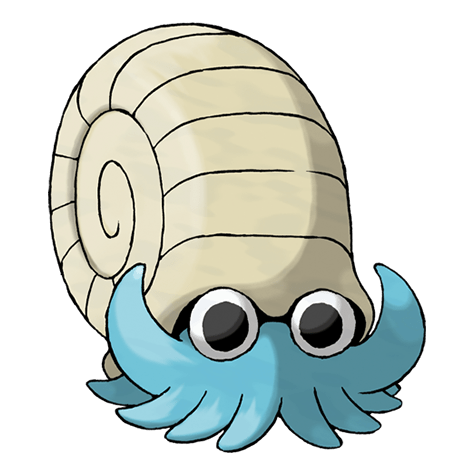
Omanyte 
Marbled Godwit 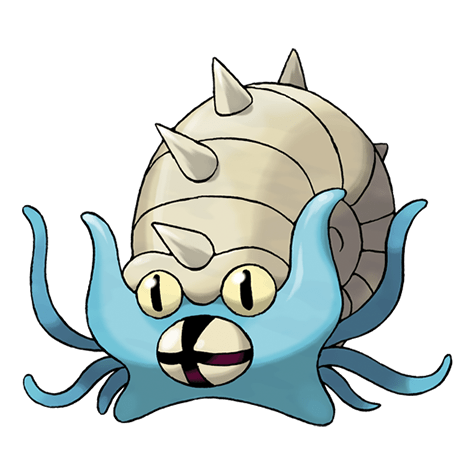
Omastar 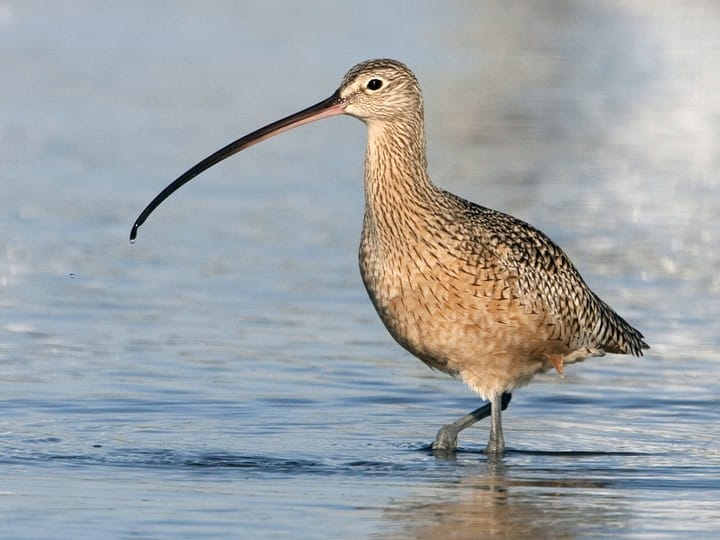
Long-Billed Curlew
The Virginia Rail is a widespread but secretive bird of the American marsh, most often seen but not heard. Its larger cousin the American Bittern can be equally hard to spot.

Kabuto 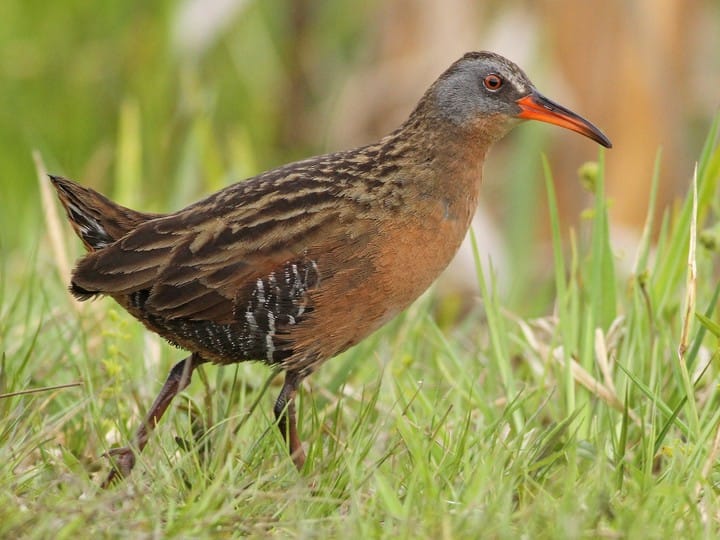
Virginia Rail 
Kabutops 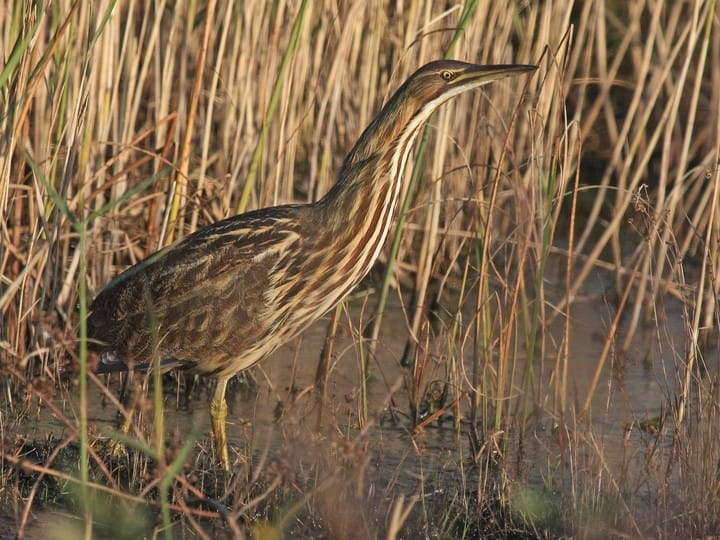
American Bittern
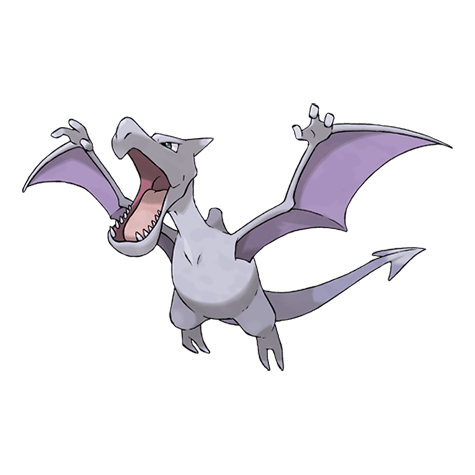
Aerodactyl is “from the age of dinosaurs” and was “regenerated from genetic material extracted from amber.” The California Condor went extinct in the wild in 1987, with the surviving 22 birds all held in captivity under the California Condor Recovery Plan. In recent decades, hundreds of Condors have been reintroduced to the wild, and can now be found sporadically through the Southwest. There is no mistaking a California Condor – they have a wingspan of ten feet, the largest in North America.
Aerodactyl 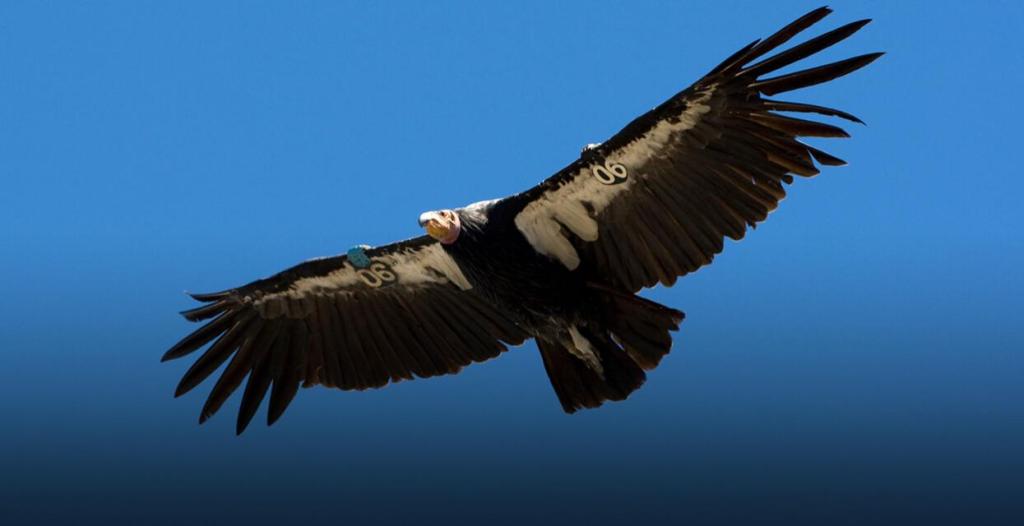
California Condor
The Wild Turkey is large, goofy and familiar, just like everyone’s favorite nap artist Snorlax. Fun fact, Ben Franklin pushed to make the turkey our national bird. It’s a good thing he didn’t succeed in this, otherwise Thanksgiving would be extra problematic.

Snorlax 
Wild Turkey
 Sports and Animals
This blog post is stellar James! Thank you so much for taking the time to put it together. As someone who both loves Pokemon and birds, this is incredibly informative and highly entertaining (you did a wonderful job with the evolutions). Hopefully this post serves to get more people excited about birdwatching. It could also help to bring different generations together, as it provides a way for both older and younger generations to get excited about all of the amazing birds out there. So well done!