Welcome back sports (and animals) fans! We’re a mere 50 days from the beginning of the NFL season, and to celebrate I wanted to bring you some unique football content. I’m happy to say that I scoured the internet and haven’t found a post on this exact topic yet, which means I’m fulfilling my obscure niche. Darwin’s finches would be proud…
So, of the 32 franchises in the National Football League, a remarkable 15 are named after animals. This is great for those who love both sports and animals, but there’s one nagging issue – these animal names aren’t quite exact. Dolphins, Falcons, Bears – these are all references to a family or genus of animals, but the names don’t tell you exactly what species we’re talking about. For example, if you tell me that you saw a lemur at the zoo, I’d wonder which of the 70 plus species you meant. You might mean a ring-tailed lemur (King Julien from Madagascar), a Coquerel’s Sifaka (Zoboomafoo) or a fat-tailed dwarf lemur (a Chinchilla crossed with a small monkey). On behalf of pedantic naturalists everywhere, I’ve decided to break down the exact species for all of our NFL animal teams.
Before we dig in, a quick primer of what constitutes a species. A species is a distinct group of organisms capable of interbreeding and producing viable offspring. Some different species can have kids together, but those kids will be sterile – donkeys and horses can produce mules, but mules are a dead end (sad). Each recognized species has two Latin words that together form its “scientific name” (binomial nomenclature for the pretentious). For example, modern humans are classified as Homo sapiens. The “Homo” part is the genus, referring to a group of species that share similar characteristics. Our now extinct cousins, the Neanderthals, were Homo neanderthalensis. You can zoom out to go further up the taxonomical food chain to include kingdom, phylum, etc., but for our purposes we can stay focused on the genus and species.
Now without further ado, let’s get species-ific!
Arizona Cardinals – Northern Cardinal – Cardinalis cardinalis
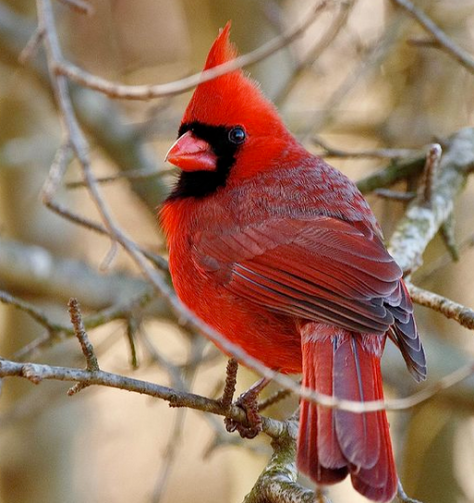
The Cardinals come pretty close to actually using the full name of the animal, though their original name actually had nothing to do with the bird. Rather, the original Chicago Cardinals used old uniforms from the University of Chicago’s football team. These hand-me-downs were a faded red color, which the team owner rebranded as “Cardinal Red.” Eventually they made the full transition to the Northern Cardinal – the football equivalent of an Animorph.
The Northern Cardinal is the prototypical Cardinal. I mean, just look at the scientific name. You know you’re the quintessential example of a genus when they just repeat the Latin word twice. Tough look for the Vermillion Cardinal (Cardinalis phoenicius). I’m also happy to report that while the franchise has hopped around cities, moving from Chicago to St. Louis to Phoenix. all three cities host the real life birds.
Atlanta Falcons – Peregrine Falcon – Falco peregrinus

There are six species of falcons in the U.S. but only three have falcon in their name. Of these, only the Peregrine Falcon can be found in Georgia, so I think we can safely say that’s the intended namesake of the Dirty Birds. Not a bad mascot either, considering the Peregrine Falcon is the fastest animal in the world, reaching speeds over 200 miles per hour when dive-bombing prey. Fans of “My Side of the Mountain” may also recall the Peregrine Falcon named Frightful, the protagonist’s best friend and hunting buddy.
Baltimore Ravens – Common Raven – Corvus corax

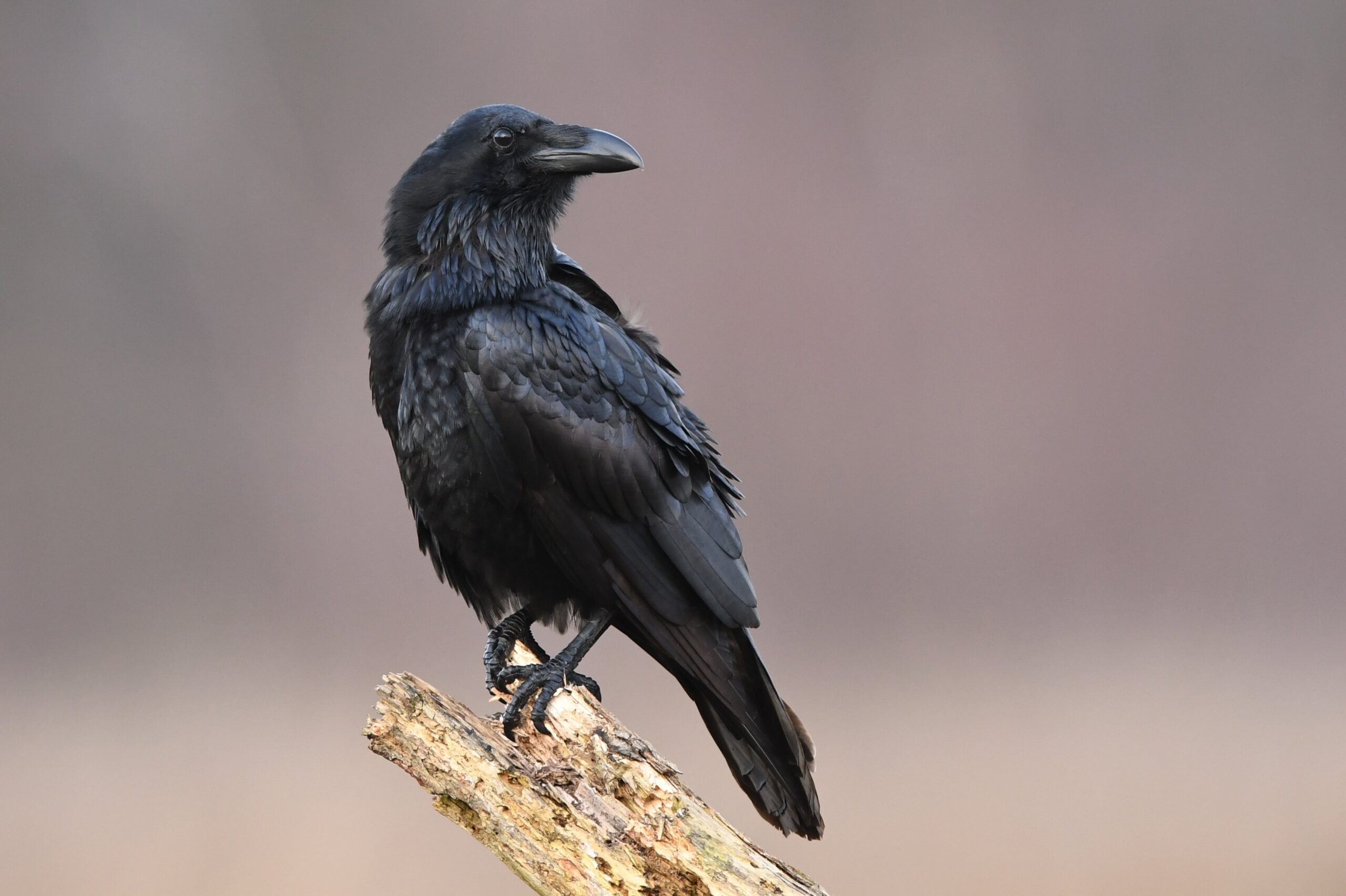
There are technically two species of ravens in the US, but unless you’re in the Southwest, you can pretty safely assume you’re looking at a Common Raven. The Baltimore franchise is named in honor of Edgar Allan Poe’s poem of the same name, which apparently he wrote while living in Baltimore . While rare, one can still find a Common Raven in Baltimore, although it’s likely you’re just looking at a crow (hint, Ravens are bigger with thicker bills and wider tails).
Buffalo Bills – American Bison – Bison bison
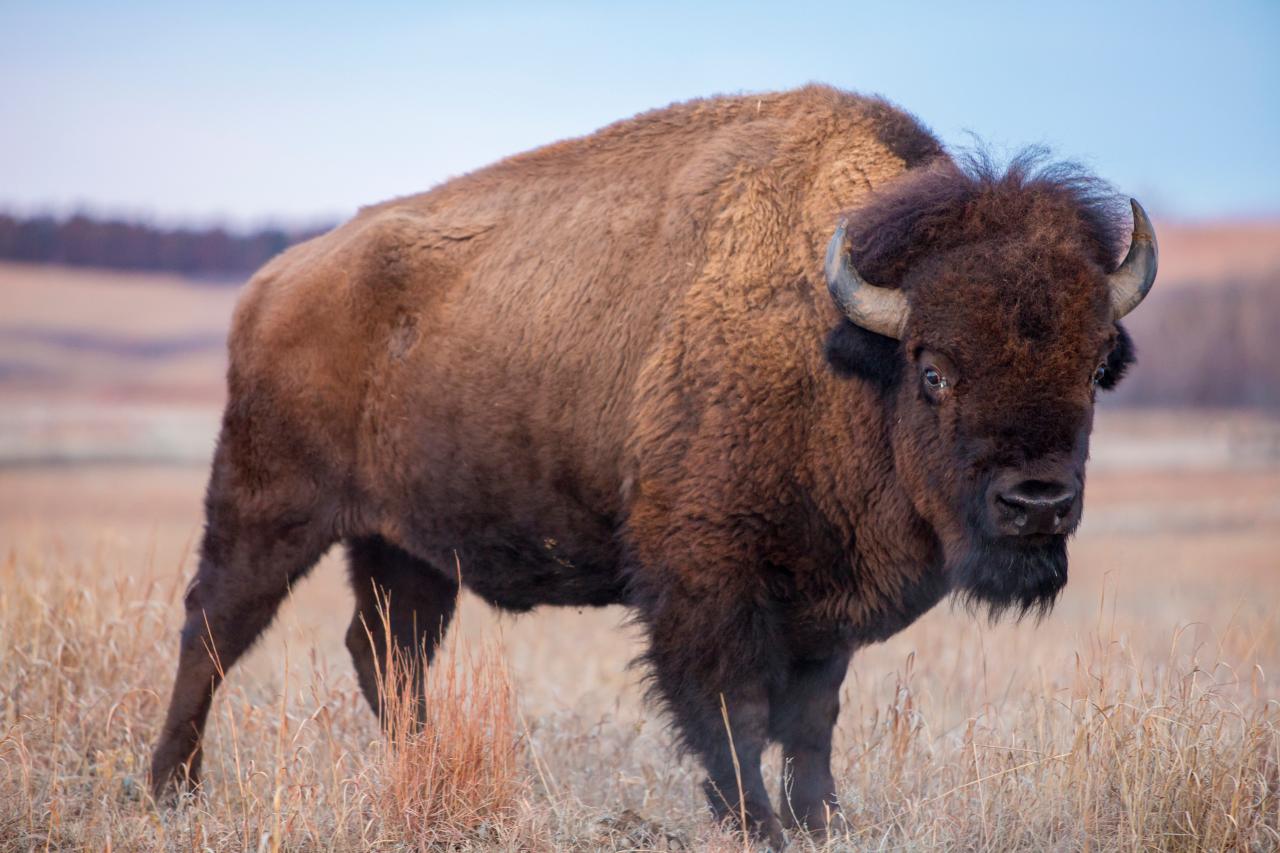
While it’s not quite settled history, it seems likely that the city of Buffalo was itself named for the American Bison, commonly known as the Buffalo. Well technically Buffalo was named after Buffalo Creek, but since Buffalo Creek got its name from the animal, I think we can bridge the gap here. In any event, the first professional football team in Buffalo was named the Bisons. This was eventually changed to the Bills, in part to honor frontiersman and noted animal-lover Buffalo Bill.
Similar to the Cardinal above, the Bison is an American staple that asserts full ownership over its genus. For a close up view of these beasts I’d suggest Yellowstone or Golden Gate Park, whichever you happen to be closer to.
Carolina Panthers – Leopard – Panthera pardus
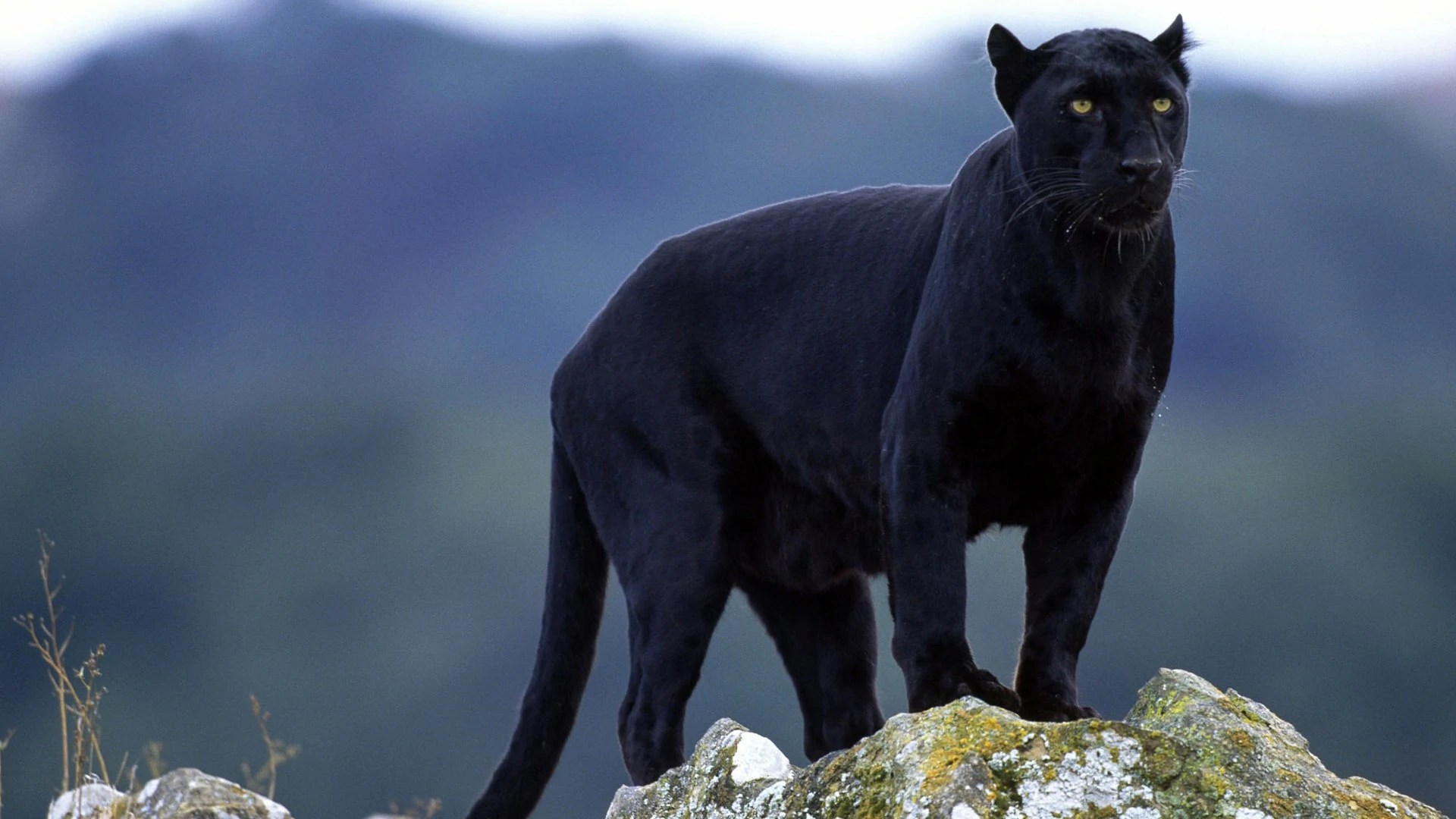
This one was tricky, so strap in. The owners picked the name since panthers are “strong, sleek and proud.” Then they backed into the colors of black, blue and silver to promote “synergy” between the name and uniforms.
Now, if someone tells you they saw a “panther” in the Southeastern US, the first thought would be that they are referring to the Florida Panther (Puma concolor cougar). This subspecies of the Mountain Lion (a.k.a. Puma, Catamount) is now only found in the Florida Everglades. It lends its name to the Florida Panthers, Miami’s professional hockey team.
But the Florida Panther is brown, and it’s clear from the Carolina Panthers’ logo, and from the backstory of their mascot Sir Purr, that the team is named for the “Black Panther.” Besides being a successful Marvel movie, Black Panther refers to melanistic color variations of the leopard and jaguar. (Melanistic is the opposite of albino, and doesn’t rise to the distinction of being its own subspecies). Given that a different NFL team already lays claim to jaguars, I think the melanistic Leopard is the safer bet here. I’ll take my Pulitzer now.
Chicago Bears – Grizzly Bear – Ursos arctos horribilis

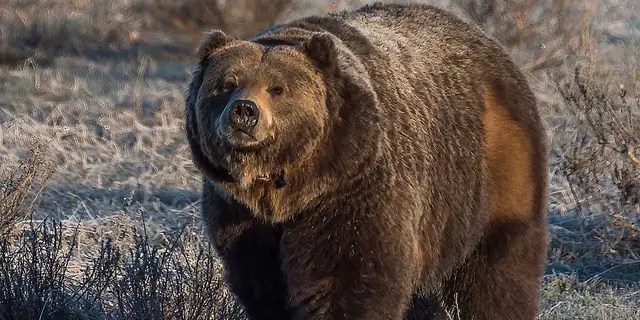
Bears are pretty tough to pin down. This efficiently written article concludes that the Chicago Bears are based on the Grizzly. As I learned while “researching” this post, the Grizzly is actually a subspecies of the Brown Bear. Who knew? The fact that it’s a subspecies explains the use of three latin words for the Scientific name. It goes Genus (Ursos/Bear), Species (arctos/Brown) then Subspecies (horribilis/Grizzly). The grizzly’s subspecies name shows just how much fun the original settlers had with our continent’s megafauna.
One more fun fact: the Chicago Bears were partly named after the Chicago Cubs, which already called the Windy City home prior to the football team’s creation. The Bears’ owner reasoned that football players are bigger than baseball players, so the teams’ names should reflect that. Hence, the Bears.
Cincinnati Bengals – Bengal Tiger – Panthera tigris tigris

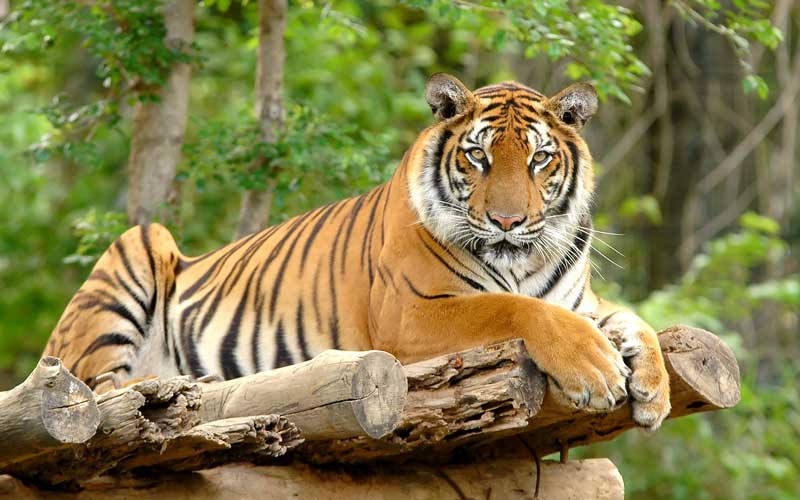
Bengal Tiger refers to a specific subspecies of tiger, namely the one found in the Indian subcontinent. This is the default tiger subspecies, and is likely the one that Frosted Flakes drew Tony on. Not much more to say on the matter other than in a fight, the tiger would come in second to only the Grizzly on this list. Do with that what you will.
Detroit Lions – Lion – Panthera leo

No surprise here – there’s just one type of extant (non-extinct) lion species, so safe to say that’s where the Detroit Lions get their name. Lions used to range all throughout the Middle East, India and even Southern Europe. However our ancestors hunted them out of Europe about 500,000 years ago, which is still more recent than the Lions’ last trip to the Super Bowl.
Indianapolis Colts – Domestic Horse – Equus ferus caballus


The Colts were originally founded in Baltimore, and were named to honor the city’s race horse heritage. There’s only one species of horse still around, and while there’s over 300 breeds of domestic horse, they’re all technically the same subspecies. Meanwhile Przewalaski’s Horse, a donkey-looking thing found only in Mongolia, gets to be its own subspecies. Lucky guy.
Jacksonville Jaguars – Jaguar – Panthera onca

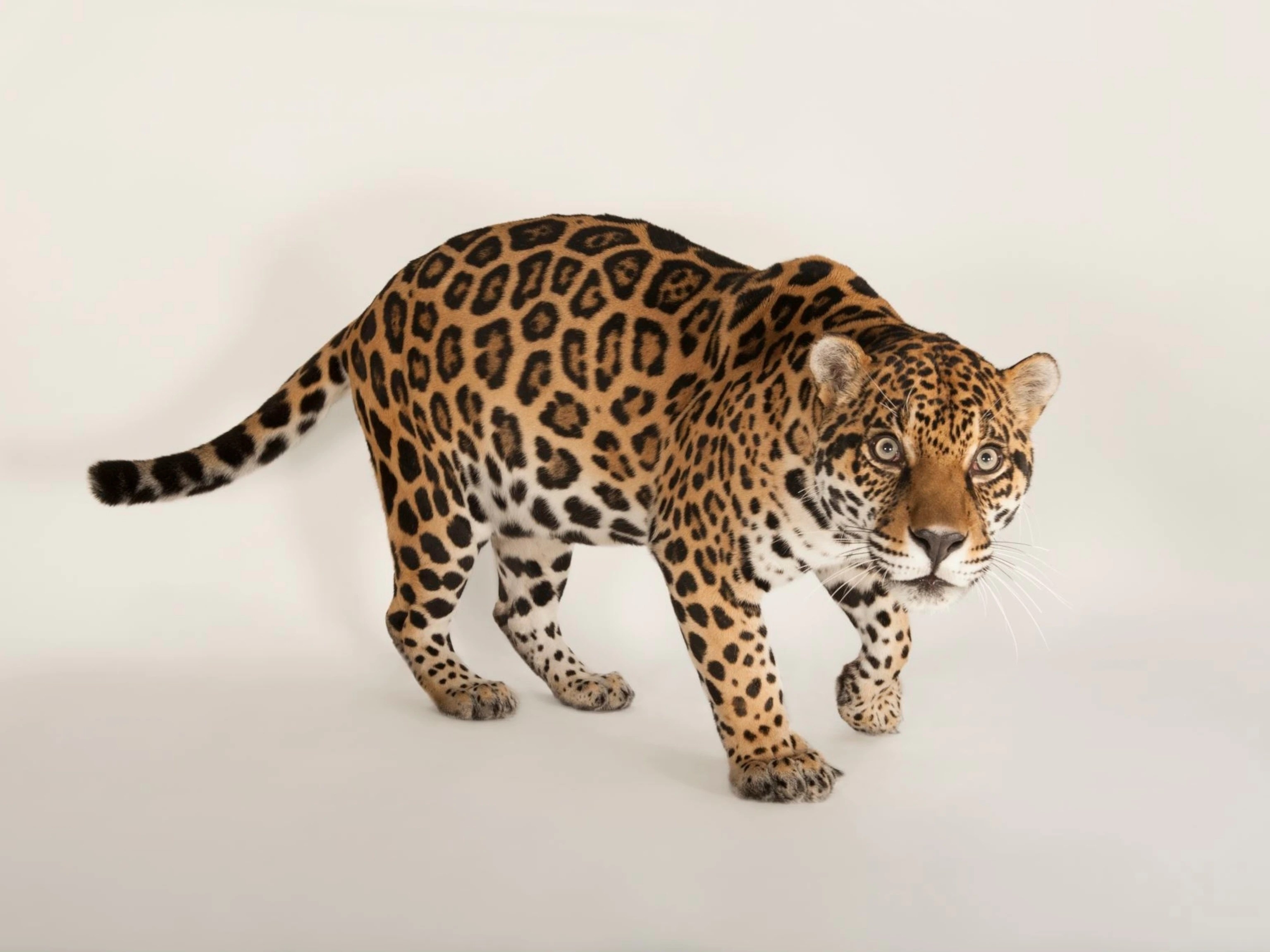
The Jaguars joined the NFL the same year as the Carolina Panthers, and it warms my heart that both expansion teams were named after members of the Panthera genus. Jaguars are primarily found in Central and South America, although occasional cats are found in the Southern US.
Los Angeles Rams – Domestic Sheep – Ovis aries

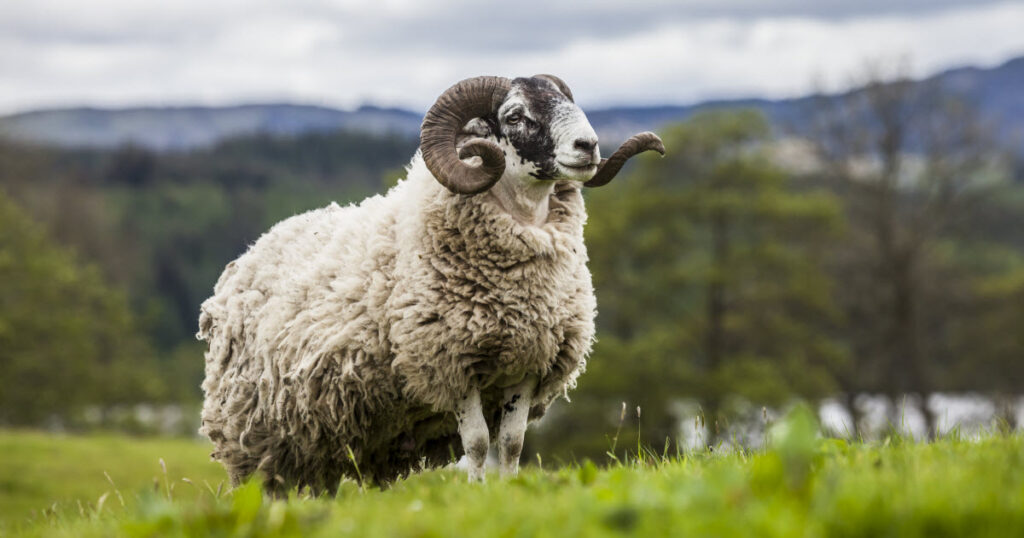
The Rams started play in Cleveland back in 1936. The owner named them in honor of his favorite college team, the Fordham Rams. Going back in time to Fordham’s name origin story, the students used to chant “One-Dam, Two-Dam, Three-Dam, Fordham” back in the 1890s. The Jesuit fathers who ran the school encouraged a change from Dam to Ram to avoid potential blasphemy. With the name change, the school adopted a Ram as the mascot and a live animal was brought to games. The first two of these mascots, named Rameses I and II, were “kidnapped by rival school and taken to a slaughterhouse.” And we thought Harvey Updyke was bad…
While there are other potential candidates for more impressive species, most notably the Bighorn Sheep found in the Western US, it’s pretty clear from the mascot history that the ram in question is just a male domestic sheep. So, it’s Ovis aries.
Miami Dolphins – Common Bottlenose Dolphin – Tursiops truncatus

While there are 40 species of dolphins out there, the Bottlenose is generally the first one that comes to mind. Interestingly (or not, depending on how much you’re vibing with the material in this post), there are actually two species in the Bottlenose genus. Wow! The more common one in US waters, and the one which Flipper was based on, is the Common Bottlenose Dolphin. Given it’s ubiquity and similarity to the logo, it’s safe to say this is the right species for Miami’s football team.
Philadelphia Eagles – Bald Eagle – Haliaeetus leucocephalus
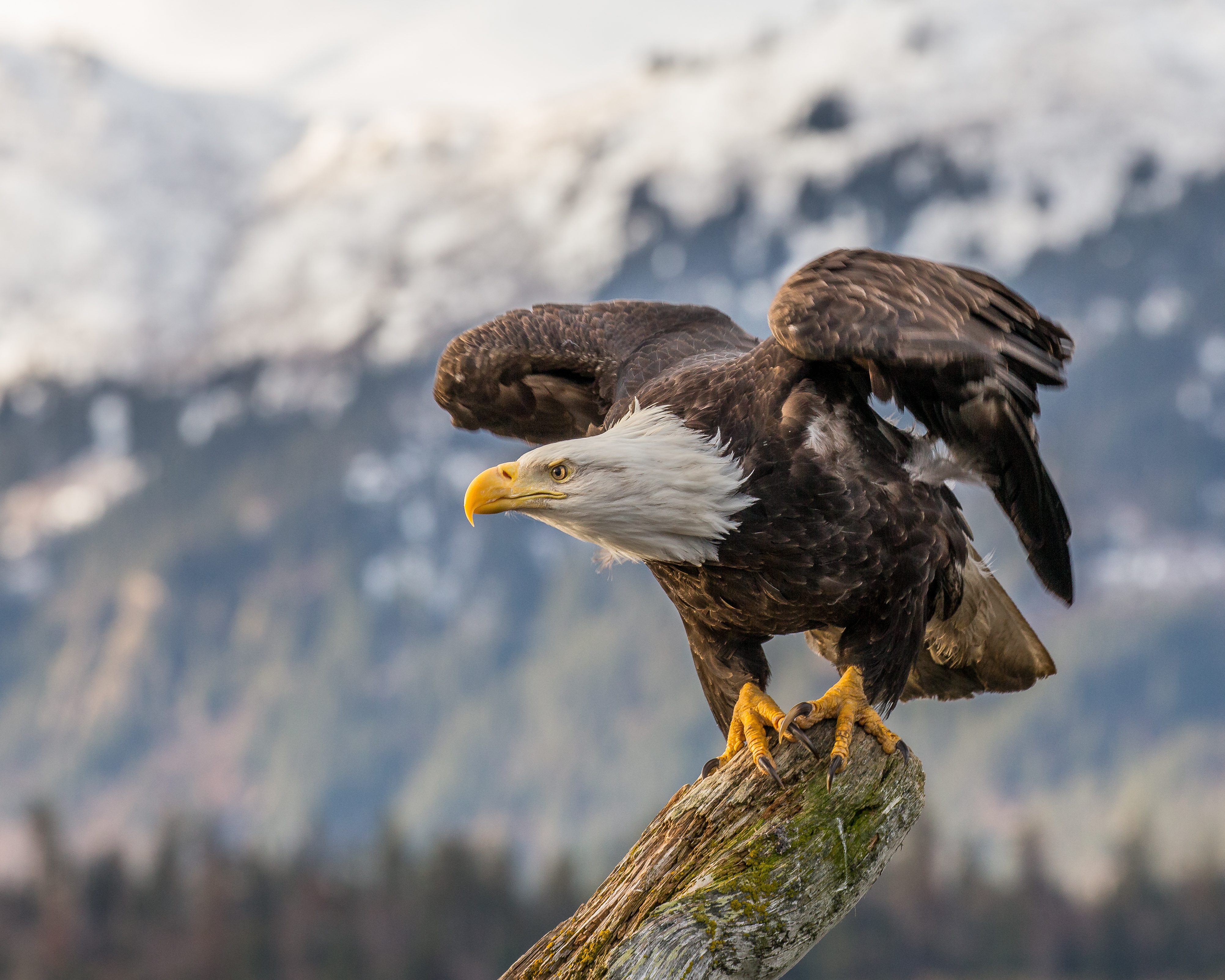
Easy answer here thanks to Swoop, the Eagles’ costumed mascot. Swoop is a Bald Eagle, and that’s all the digging we need to do on this one.
Seattle Seahawks – Osprey – Pandion haliaetus


Osprey is the more common name for the Sea Hawk. Alliteration trumps ornithological precedent, so can’t really begrudge Seattle for going with Seahawks here. Really appreciate Seattle and Philly making it easy at the end here, because this took a lot longer to write than I thought it would.
 Sports and Animals